
When developing a sports bra strap, you may wonder whether choosing a softer material will give you the softer feel you want.
Sports bra strap softness comes from the combination of material, yarn, construction, thickness, and stretch, so choosing a softer material alone does not guarantee a softer finished strap. Start with the material that meets your product requirements, then develop the yarn and strap construction together to reach the softness you want. If you have a strap with the feel you want, send it to your supplier as a physical reference for sampling.
The sections below explain what material actually changes, why the same material can feel different, and what to consider before sampling.

Webbing manufacturing expert with 15+ years of experience helping product developers build high-performance straps for industrial, medical, and outdoor use.
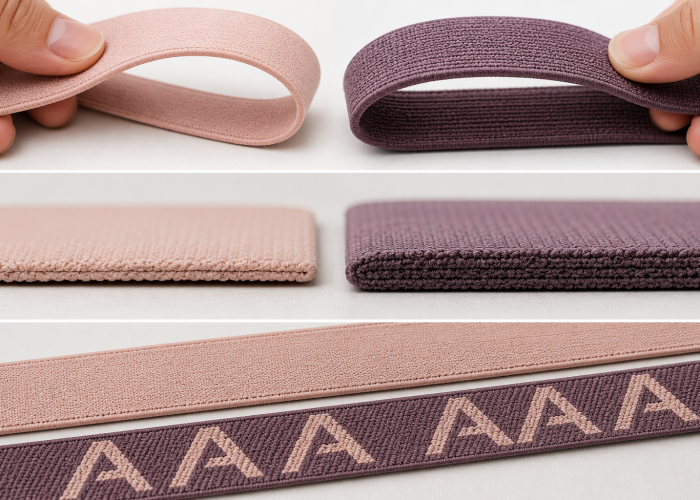
Material affects sports bra strap softness through its surface feel and flexibility, while the finished softness is determined together with the yarn, thickness, and strap construction. This is why two straps made from the same material can still feel noticeably different.
When developing a soft strap, the material name is only the starting point. Finer filaments can create a smoother surface, while the way those yarns are built into the strap can make the finished construction feel softer or firmer. A denser construction, for example, may give you more stability while also creating a firmer hand feel.
This gives you a useful way to judge your samples. If two straps use the same material but feel different, changing material is not automatically the next step. Compare their thickness, stretch, surface and construction first. The difference in softness may be coming from how the material has been used rather than the material itself.
If you already have a strap with the feel you want, send it together with your required width and stretch. Your supplier can compare that reference with the construction being developed and decide what should be adjusted first. If the selected material can reach the target through yarn or construction changes, you can keep it. Reconsider the material when those adjustments still cannot give you the feel and performance your strap needs.
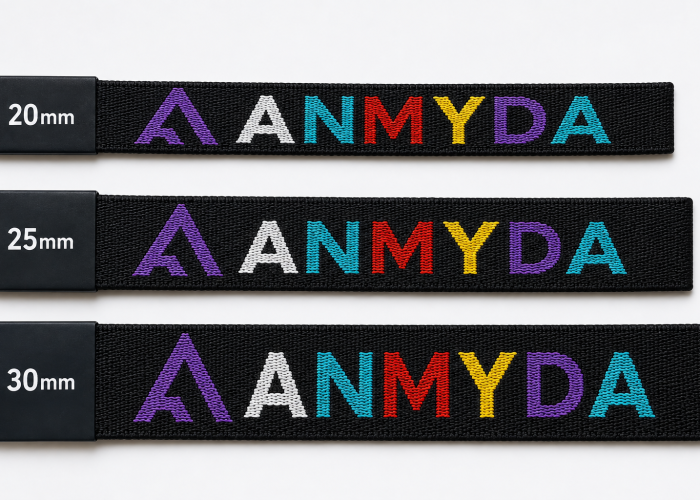
Nylon and polyester blended with elastane are common material choices for soft sports bra straps, and either can be developed toward a soft hand feel through the yarn and strap construction. When both can reach your softness target, the material decision should also consider the strap’s other performance requirements.
Nylon is a common direction when a smooth, soft surface is important, and finer-filament nylon yarns can be used to create a silkier hand. Polyester can also be developed into a comfortable strap and may suit projects where its other properties are preferred. In both cases, elastane is incorporated to provide the stretch and recovery the sports bra strap needs.
If you have one soft nylon sample and one firmer polyester sample in front of you, don’t use that comparison alone to decide that nylon is the softer material for your project. You are also feeling differences in yarn, thickness, stretch and construction. Unless those specifications are reasonably comparable, the samples are showing you two complete strap constructions—not just two materials.
Start with the requirements you cannot easily change, such as the strap’s intended use, width and required stretch. Then give your supplier your softness target, preferably with a physical reference. If nylon and polyester can both be developed close to that feel, compare the finished samples against your other requirements before choosing. Softness has not decided the material for you if both constructions can meet the targe
Share your requirements or reference strap, and we’ll help determine whether material or construction should lead your next sample.
A material that feels softer on its own will not necessarily give you a softer sports bra strap, because the finished feel changes with the construction needed to achieve your required stretch and support.
For example, you may choose a material because you like its smooth, soft surface. If your sports bra also needs a stable strap with controlled stretch, that material still has to be built into a construction that provides that performance. A denser construction can improve stability while making the finished strap feel firmer. The material has not changed, but the way it is being used has changed what you feel in your hand.
This is why comparing materials before they are made into comparable straps can give you the wrong impression. If one material feels softer but needs a firmer construction to meet your support requirement, it may not produce the softer finished strap you expected.
If you are choosing between materials, give your supplier the requirements that cannot change—such as your strap width, required stretch, and support target—together with the softness you want. Ask them to develop the material options around the same target rather than comparing unrelated straps. Then compare the finished samples. Choose the material that reaches your softness target without forcing you to give up the performance your sports bra needs.
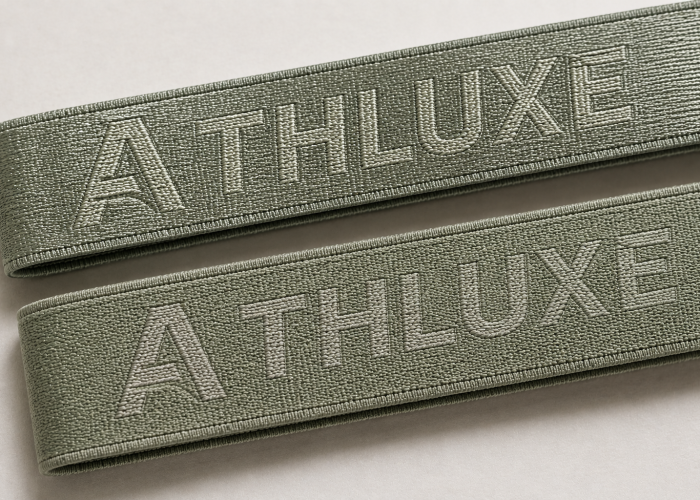
Strap construction can change softness even when the material stays the same, because construction affects how firm, dense, and flexible the finished strap feels. Once you have a suitable material, construction is often the next place to adjust the hand feel.
You can see this when two straps use the same material but one feels noticeably firmer. A denser construction can provide more stability and support, while a softer construction may allow more stretch or movement. That difference tells you the material itself may not be what needs changing.
So if your first sample feels too firm, I would not immediately ask you to choose another material. First, tell your supplier what you want to feel different and what must stay the same. For example, you may want a softer surface while keeping the current width, stretch, and support. A physical strap with the feel you are targeting is even more useful because both sides have something concrete to compare.
Your supplier can then adjust the construction toward that reference and make another sample. Compare it with the original. If the strap becomes softer while your fixed requirements still work, keep the material. If reaching the softness you want starts reducing the support, stability, or recovery your sports bra needs, stop adjusting construction alone and bring the material choice back into the discussion.
Send us your sample, and we’ll help identify what is making it feel firm and what to adjust next.
You can keep a sports bra strap soft without making it unnecessarily thick by developing the surface feel and strap construction together instead of using extra thickness as the main way to create softness. A thicker strap may feel more substantial, but thickness alone does not guarantee a softer result.
If your first sample feels too firm, the useful question is where you are feeling that firmness. When the surface itself feels rough or hard against the skin, changing the skin-contact yarn or surface construction may improve the feel without adding much thickness. If the surface feels fine but the whole strap feels rigid when you handle or bend it, the overall construction is more likely the place to look. These are two different problems, so adding thickness to both does not address the cause.
This is why we would not increase thickness just because your brief says “softer.” If the current thickness already works with the sports bra design, keep it as your starting point and show your supplier what you want to feel different. A physical strap with the softness you want is especially useful here.
Your supplier can then adjust the surface or overall construction, depending on where the firmness is coming from, and make a revised sample close to the same thickness. Compare that sample with the original before changing the thickness requirement. Reconsider thickness only when the current thickness prevents the strap from reaching both the softness and functional performance you need.
A sports bra strap can feel soft and still provide support; the real check is whether it keeps the required stretch control, recovery, and stability after you make it softer. Softness alone does not tell you how supportive the finished strap will be.
If your first sample already gives you the support you want but feels too firm, that sample gives you something valuable to work from. Instead of starting again, keep its support and stretch performance as the reference while you adjust the feel. Changes to yarn, construction density, and elastic structure can affect softness and support differently, which is why the revised strap needs to be compared with the original rather than judged by touch alone.
There is also a clear point where you should stop making the strap softer. If the revised sample feels better but starts stretching too easily, returns less effectively after extension, or loses the stability your sports bra requires, the change has started affecting function. At that point, chasing an even softer hand feel is taking the development in the wrong direction.
Show your supplier how much softer you want the original sample to feel and identify the support and stretch performance you want to keep. Then compare the revised and original samples under the same stretch condition. If the new version feels softer while still recovering and providing the required stability, keep the change. If support starts changing, bring the construction back toward the original rather than continuing to soften it.
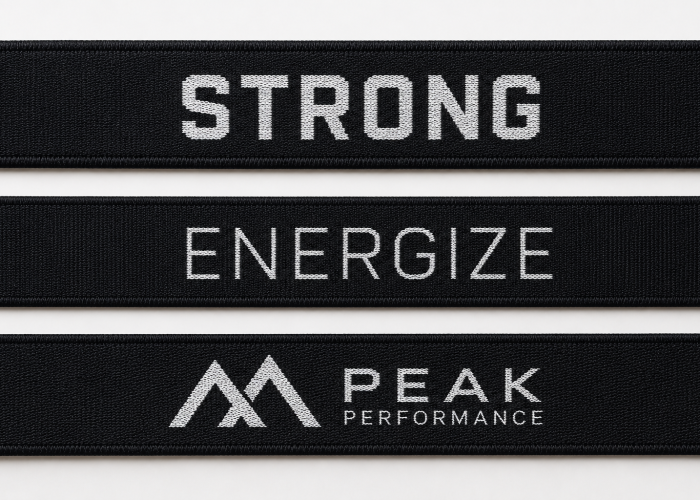
A woven logo can affect the softness of a sports bra strap when the jacquard design changes the yarn or construction needed to form the logo. A simple logo may have little noticeable effect, while a more demanding design can make the finished strap feel firmer.
If you already have a plain strap with the softness you want, keep it as your reference when developing the woven logo. When the jacquard sample comes back, compare the two directly. If the branded strap feels noticeably firmer, that does not automatically mean you need a softer material. First look at what changed when the logo was added.
The location of the difference can also help with that judgment. If the whole jacquard strap feels firmer, the overall construction may need reviewing. If the difference is mainly around a small, detailed part of the logo, that particular artwork detail may be requiring a tighter or more complex woven structure. Jacquard logos are built into the elastic itself, so artwork and construction need to be considered together.
Ask your supplier whether the logo can be developed closer to your original softness reference before changing the material or the whole strap. If one small artwork detail is driving the construction away from the feel you want, simplifying that detail may be the better trade-off. Approve softness from the actual branded strap you will use in production, not from the plain strap alone.
Share your artwork and softness target, and we’ll review how to balance the logo with your required strap feel.
The most practical way to specify sports bra strap softness is to give your supplier a physical softness reference together with the strap requirements that must stay fixed. Words such as “soft,” “very soft,” or “premium soft” give a general direction, while a physical reference gives both sides something they can actually compare during sampling.
If you have an existing strap with the feel you want, send it and explain what you like about it. You may like its smooth surface, its overall flexibility, or simply how it feels against the skin. Then give your supplier the requirements for your own strap, such as the width, stretch, support, thickness, material preference, and woven logo. Hand feel is one of the requirements manufacturers can establish before developing custom elastic, alongside specifications such as width, artwork, stretch, and recovery.
Your reference strap does not mean the new strap should copy the same material or construction. It defines the feel you are trying to reach. Your own design may need different stretch, thickness, support, or branding, so the supplier can develop those requirements around the softness reference.
When you receive the sample, compare it with the same reference instead of relying on memory of what “soft” should feel like. If the softness is right and your required performance also works, you now have a useful approval reference for production. If reaching that softness has moved another important requirement too far, adjust the construction and sample again rather than approving the feel alone.
Material matters for sports bra strap softness, but the final feel comes from how the material, yarn, construction, thickness, stretch, and branding work together. Start with the material that meets your product requirements, then develop the softness around it.
If you have a target feel, send us your strap specifications and a physical reference. We can review what should stay fixed, what can be adjusted, and develop a sample toward the softness your sports bra needs.
We will contact you within 1 working day, please pay attention to the email with the suffix “@anmyda.com”.