
Specifying high stretch in a waistband RFQ may seem like an easy way to improve comfort, but increasing stretch can also change support, recovery, shape stability, and overall product performance. Choosing the highest stretch level is not always the best engineering decision.
A high-stretch waistband is not the right choice when the product requires stable support, reliable recovery, and long-term shape retention as much as—or more than—maximum flexibility. In these applications, increasing stretch changes more than comfort. The right waistband is developed by balancing stretch with recovery, construction, and material according to the product’s intended function.
Read on to learn when high stretch creates value, when it creates trade-offs, and how to choose the right stretch specification for your waistband project.

Webbing manufacturing expert with 15+ years of experience helping product developers build high-performance straps for industrial, medical, and outdoor use.
High stretch can cause a waistband to lose support, recover less consistently, or become less shape-stable when those performance requirements are as important as flexibility. Increasing stretch changes more than how far a waistband stretches because several performance characteristics change together.
A common assumption is that a higher stretch level automatically creates a better waistband because it feels softer and more flexible. In reality, increasing stretch also changes how the waistband supports the garment, returns to its original shape, and performs after repeated stretching. These characteristics do not always improve together. A waistband that feels more comfortable during the first fitting may provide less support during movement or recover less consistently after repeated wear. More stretch changes how the waistband performs, not just how far it stretches.
Before increasing the stretch specification, identify which performance requirement is most important for the finished product. If greater flexibility also reduces the support or recovery the product depends on, increasing stretch further is unlikely to produce a better waistband. Instead, determine whether the limitation comes from the stretch level itself or from the construction and material used to achieve that stretch. If the product’s primary performance improves after changing the stretch, the trade-off is likely acceptable. If the key performance becomes worse, the next development step should focus on improving the construction or recovery rather than simply adding more stretch.
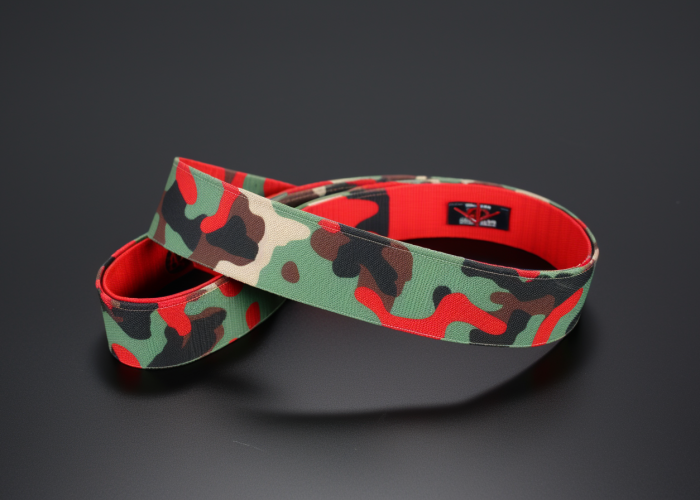
Increasing stretch does not improve every waistband function because flexibility, support, recovery, and shape stability respond differently to higher stretch. Improving one function does not automatically improve the others.
High stretch is a performance result rather than a material specification. The same stretch level can be achieved through different combinations of elastic yarn, material, construction, weave density, and manufacturing settings. Although two waistbands may stretch by a similar amount, they can perform very differently in support, recovery, durability, and logo stability because those manufacturing choices determine how the stretch is created. The engineering goal is therefore not to achieve the highest stretch, but to achieve the right balance of performance for the product.
Before requesting a higher stretch level, define which waistband function actually needs improvement. If flexibility already meets the product requirement but support or recovery still falls short, increasing stretch is unlikely to solve the problem because the limitation no longer comes from stretch itself.
Compare whether changing the construction, material, or elastic yarn could improve the required performance while maintaining the current stretch level. Different manufacturing approaches can achieve similar stretch levels with very different performance results. Identifying the real performance limitation before changing the specification leads to a more reliable development decision than simply requesting a higher stretch percentage.
Review your product requirements with our team and receive practical stretch recommendations before sampling.
No. Higher stretch does not always mean a waistband webbing contains more elastic material. Similar stretch levels can be achieved through different combinations of elastic yarn, material, construction, and weave design, so two waistband webbings with similar stretch can perform very differently.
During development, two waistband webbing samples may reach a similar stretch level while producing noticeably different support, recovery, durability, or logo stability. This happens because manufacturers do not create stretch by changing only one specification. Stretch is achieved through the combined effect of elastic yarn, material selection, construction, weave density, and manufacturing settings. As a result, one waistband webbing may deliver better overall performance than another even though both meet the same stretch requirement. High stretch is therefore a performance result rather than a material specification.
Before requesting a higher stretch level, confirm which product performance actually needs improvement. If two samples stretch by a similar amount but differ in support, recovery, or durability, the limitation is unlikely to be the stretch level itself. Instead, review how the current stretch has been achieved by comparing the construction, material, and elastic yarn used in each sample. If changing these specifications improves the required performance while maintaining the same stretch level, increasing stretch is no longer necessary. Understanding how the stretch is engineered helps identify the next specification to optimize before requesting another development sample.

High-stretch waistbands benefit products that prioritize flexibility and unrestricted movement over maximum support and shape stability. For example, yoga wear, running apparel, and training shorts often use higher-stretch waistband webbing because freedom of movement contributes more to product performance than firm support.
During product development, the same stretch level is rarely suitable for every application because different products are designed to achieve different performance objectives. Sportswear that requires unrestricted movement often benefits from greater flexibility, while products that depend on controlled compression, stable support, or long-term shape retention may require a lower-stretch waistband webbing instead. The application determines which performance characteristics should receive priority first, and the stretch level is then selected to support that objective rather than becoming the objective itself.
Before specifying a high-stretch waistband, define which product performance is most important during actual use. If greater flexibility directly improves how the product performs, a high-stretch waistband webbing is usually an appropriate starting point. If increasing stretch causes support, recovery, or shape stability to become the next limitation, that observation indicates the product has reached the point where additional stretch creates more trade-offs than value.
At that stage, reviewing the construction or selecting a lower-stretch specification often produces a better overall result than continuing to increase the stretch level. The goal is to choose the stretch level that best supports the product’s intended performance, not simply the highest level the waistband webbing can achieve.
We’ll explain the engineering trade-offs behind each recommendation so you can choose the best solution.
Lower stretch delivers better waistband performance when stable support, reliable recovery, and long-term shape retention are more important than maximum flexibility. For example, compression apparel, workwear, and supportive underwear often benefit from lower-stretch waistband webbing because maintaining a consistent fit is more important than allowing maximum movement.
During product development, it is common for two waistband webbings to provide acceptable flexibility while delivering very different support during actual use. This happens because the product does not always benefit from additional stretch once the required range of movement has already been achieved. Increasing stretch beyond that point may reduce support, change recovery performance, or make the waistband less stable during repeated wear. In these applications, the best-performing waistband is often the one that provides the right balance of movement and support rather than the greatest possible elasticity.
Before reducing the stretch specification, review whether the current sample already provides sufficient freedom of movement for the intended application. If reducing the stretch improves support and recovery without noticeably affecting movement, the original stretch level was likely higher than the product actually required. This indicates that stretch is no longer the specification limiting the product’s performance. Instead of continuing to increase elasticity, compare whether adjusting the construction or selecting a lower-stretch waistband webbing better supports the product objective. The specification that delivers the best overall product performance—not the highest stretch level—is usually the better engineering decision.
High stretch is the wrong waistband specification when increasing flexibility no longer improves the product’s overall performance. If additional stretch creates new limitations in support, recovery, or shape stability without delivering meaningful product benefits, the specification should be reviewed.
During sample evaluation, a higher-stretch waistband webbing may feel softer and move more freely, yet the finished product performs little differently during actual use. In some cases, support becomes weaker, recovery slows after repeated stretching, or the waistband no longer maintains the expected fit. These observations indicate that increasing stretch has stopped improving the product and that another specification is now controlling the overall performance. Continuing to increase stretch is therefore unlikely to solve the next development problem.
Before requesting another sample, compare whether the additional stretch creates a meaningful improvement in the product’s intended performance. If greater flexibility produces only a small benefit but noticeably reduces support or recovery, the stretch specification is no longer the main factor limiting the product. This observation suggests the next improvement should focus on the construction, material, or recovery characteristics instead of increasing elasticity again. Identifying which specification has become the new limitation helps determine the most effective change before the next development round and avoids solving the wrong problem.
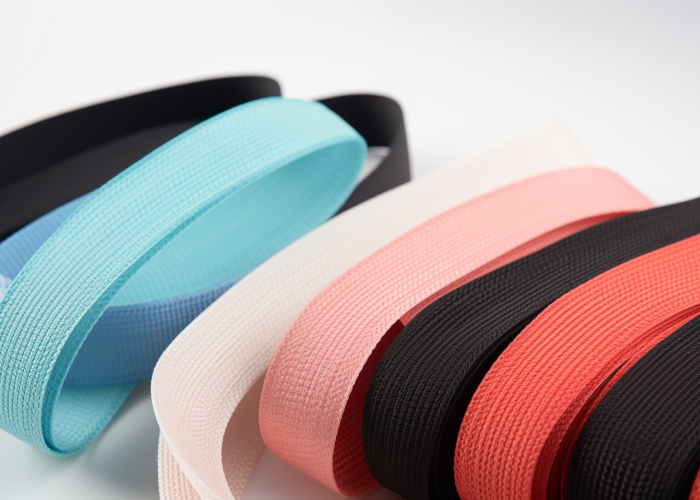
Different suppliers may recommend different waistband stretch levels because they are optimizing different performance priorities, not because one recommendation is necessarily wrong. For example, one supplier may increase stretch to improve flexibility, while another keeps the same stretch level and changes the waistband webbing construction to achieve better support and recovery.
During RFQ and sample development, it is common for two suppliers to recommend different stretch specifications for the same product. One sample may feel softer and move more freely, while another provides firmer support and recovers more consistently after repeated stretching. Both samples may satisfy the original stretch requirement, but they achieve the required performance through different engineering approaches. The recommendation therefore reflects what each supplier believes should receive priority rather than proving that one stretch level is universally better.
Before accepting one supplier’s recommendation, compare which product performance improves and what new trade-offs are created by each proposal. If one recommendation improves flexibility while another improves support or recovery, the different stretch levels are only the result of different engineering priorities. This means the real decision is not which stretch percentage is correct, but which performance objective better matches the product. Once the engineering purpose behind each recommendation is clear, selecting the most suitable stretch specification becomes much more reliable than comparing stretch percentages alone.
Share application and performance requirements to receive practical recommendations before finalizing your RFQ.
Choose the final waistband stretch specification once further stretch adjustments no longer create meaningful improvements to the finished product. At that point, additional stretch changes usually replace one trade-off with another instead of improving the overall product.
During sample revisions, product developers often continue adjusting the stretch level after the primary performance objective has already been achieved. One revision may improve flexibility slightly but reduce support, while the next restores support but limits movement again. These repeated trade-offs indicate that the stretch specification has reached a practical balance and that another specification has become the next factor limiting the product’s performance. Continuing to optimize stretch alone is therefore unlikely to create a better waistband.
Before approving the final specification, review whether the current waistband webbing already satisfies the product’s primary performance objective. If further stretch adjustments only exchange one trade-off for another without delivering a meaningful improvement, the stretch specification has likely reached its optimum for the project. This observation indicates that another specification—such as construction, material, or recovery performance—should become the next development focus. Finalize the stretch specification once it consistently supports the intended product performance, then continue optimizing the specification that now limits the product instead.
High stretch is only one part of waistband development. The best waistband webbing is not the one with the highest stretch, but the one that delivers the right balance of flexibility, support, recovery, and shape stability for the intended application. By evaluating these performance characteristics together, you can select a stretch specification that supports both product performance and reliable production. If you’re developing a custom waistband webbing, contact us to review your requirements and recommend a stretch specification that fits your project.
We will contact you within 1 working day, please pay attention to the email with the suffix “@anmyda.com”.