
Your waistband artwork has been approved, but before sampling, your supplier asks you to specify the logo repeat length. If the repeat length is not included in your artwork, choosing one can be difficult because you don’t yet know how it will affect the finished waistband.
Choose a logo repeat length that creates the branding experience you want customers to see. A shorter repeat makes the logo appear more frequently, while a longer repeat creates a cleaner and less repetitive appearance. The right repeat length is then refined according to the logo size, waistband width, product application, and manufacturing requirements to create the best overall waistband.
Read on to learn how repeat length influences branding, waistband appearance, manufacturing, and how to choose the most suitable repeat length for your project.

Webbing manufacturing expert with 15+ years of experience helping product developers build high-performance straps for industrial, medical, and outdoor use.
A shorter logo repeat makes your branding appear more frequently, while a longer repeat creates a cleaner and less repetitive waistband. Choosing between them is deciding how visible you want your branding to be on the finished product rather than simply selecting a repeat measurement.
After the first waistband sample arrives, the logo may look exactly as approved, yet the overall branding can feel completely different. The change is not caused by the logo itself but by the relationship between the logo and the surrounding space within each repeat. A shorter repeat reduces the background space between logos, causing the branding to appear as a continuous visual pattern. A longer repeat introduces more separation, allowing each logo to stand out individually and creating a cleaner appearance. This is why repeat length is evaluated by the visual proportion between the logo and the surrounding space rather than by the repeat measurement alone.
Review the finished waistband as a complete product instead of counting how many logos appear around the waist. If the repeated logos compete for attention and make the waistband look busy, increasing the repeat length often creates a cleaner visual rhythm. If the branding becomes difficult to notice during normal wear, reducing the repeat length can improve brand visibility without changing the logo itself. The best repeat length is the one that creates the branding experience your product is designed to deliver rather than simply fitting more logos onto the waistband.
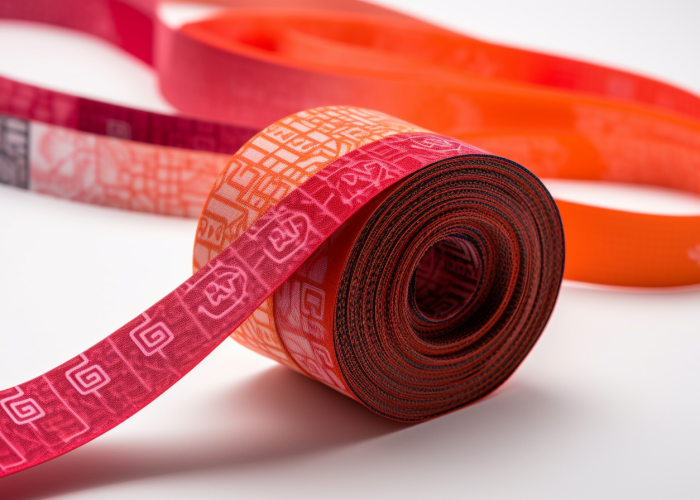
Logo size and repeat length should be developed together because changing either one changes how the branding looks on the finished waistband. A larger logo usually needs more spacing, while a smaller logo can often repeat more frequently without making the waistband look crowded.
During artwork development, the logo size may be revised while the original repeat length remains unchanged. When the first sample is reviewed, the finished waistband can appear noticeably more crowded or much cleaner even though the repeat measurement has not changed. This happens because increasing the logo size changes two proportions at the same time: the logo occupies more of each repeat while the surrounding background space becomes smaller. Two waistbands can therefore share the same repeat length but create completely different branding experiences because the logo occupies a different proportion of each repeat. For this reason, logo size is normally established first as a development baseline, then the repeat length is refined during sampling until the overall branding appears balanced.
Before changing the repeat length, review the relationship between one logo and the surrounding empty space instead of focusing on the repeat measurement itself. If the logo dominates each repeat and leaves little visual breathing room, increasing the spacing often creates a more balanced appearance. If the empty space becomes the most noticeable feature, reducing the repeat may strengthen the branding. For many waistband projects, manufacturers begin with an initial repeat based on the expected logo size, then adjust the spacing after reviewing the first woven sample. This approach produces a more reliable result than selecting a fixed repeat length before seeing the finished waistband because the final decision is based on the actual branding effect rather than the drawing alone.
Send your artwork and waistband specifications to receive practical repeat length recommendations before sampling.
A wider waistband usually requires a longer repeat to keep the branding balanced, while a narrower waistband often works better with a shorter repeat or a smaller logo. Changing the waistband width changes how the repeated branding is perceived across the finished product, not just how much weaving space is available.
After the waistband width is confirmed, the original repeat length may no longer create the intended branding appearance. A repeat that looks balanced on a 35 mm waistband can leave excessive empty space on a 50 mm waistband because the logo occupies a much smaller proportion of the visible surface. Likewise, reducing the waistband width without adjusting the repeat can make the branding feel compressed, even though the repeat measurement itself has not changed. The overall branding pattern is therefore created by the relationship between the waistband width, logo size, and surrounding space rather than by any one specification alone.
Review the branding across the entire waistband after the first sample is produced instead of evaluating a single logo repeat. If large areas of the waistband appear visually empty after increasing the width, increasing the repeat length or enlarging the logo may create a more balanced branding pattern. If the branding feels compressed after reducing the waistband width, shortening the repeat or reducing the logo size often restores the visual balance. As a practical starting point, many waistband developments refine the repeat length only after the logo size and waistband width have been reviewed together, because the finished sample reveals the overall branding effect much more accurately than the artwork alone.

Choose the logo repeat length according to how often customers should notice the branding while wearing the product. Different applications create different branding objectives, so the same repeat length rarely produces the best result for every waistband.
During product development, the same logo may be used on completely different products, yet the finished waistband is expected to create a different branding experience. Men’s underwear often emphasizes continuous brand visibility around the waist, while premium fashion collections typically prefer a cleaner, less repetitive appearance. Sportswear usually falls between these two approaches by balancing brand visibility with a clean athletic look. The application therefore changes the branding objective first, and the repeat length is adjusted to support that objective rather than following a fixed measurement. Customers never measure the repeat length—they only notice the overall branding pattern created by it.
Define the branding objective before selecting a repeat length. As a practical starting point, many men’s underwear projects begin with repeat lengths of approximately 80–120 mm to create frequent brand visibility around the waistband. Sportswear developments often start around 100–150 mm to balance branding with a cleaner athletic appearance, while premium fashion waistbands commonly begin around 150–250 mm to create more visual space between logos. These ranges are development starting points based on common manufacturing practice rather than industry standards. After the first woven sample is reviewed, the repeat length is refined together with the logo size and waistband width until the finished waistband delivers the intended branding experience for the product.
Discuss your branding goals with our development team and receive practical recommendations before production.
A logo repeat is too short when reducing the spacing no longer improves brand visibility but makes the waistband look increasingly crowded. At that point, adding more logos creates visual repetition instead of stronger branding.
After the first sample is reviewed, the logo may remain clear while the overall waistband begins to feel visually busy. Reducing the repeat length does more than place additional logos around the waistband—it also shortens the visual pause between each logo. As those pauses become smaller, the branding gradually changes from individual logos into a continuous branded band. Whether this strengthens or weakens the finished product depends on the intended branding experience. Empty space is part of the branding design, not unused space, and removing too much of it often reduces the visual balance instead of increasing brand impact.
Before requesting another sample, review whether increasing the repeat length creates a cleaner waistband while keeping the branding easy to notice. If both results improve, the repeat length was likely the main limitation and further repeat adjustments are usually unnecessary. If the waistband still feels crowded after increasing the repeat, the remaining limitation is often the relationship between the logo size and the available space rather than the repeat itself. In that situation, reviewing the logo size or artwork usually produces a greater improvement than continuing to increase the repeat length. Changing one specification at a time also makes it much easier to identify which adjustment actually improved the branding before approving production.
A logo repeat is too long when the branding loses its visual presence across the waistband even though the logo itself remains clear. Increasing the spacing no longer improves the appearance once the empty space becomes more noticeable than the branding.
After the first sample is reviewed, increasing the repeat length may create a cleaner appearance, but it also weakens the visual connection from one logo to the next. As the logos become more isolated, customers gradually stop perceiving the branding as a continuous part of the waistband and begin noticing only individual logos separated by large areas of background space. A cleaner waistband is not always a better waistband if the branding becomes too easy to overlook. The goal is to create a balanced branding pattern rather than simply maximizing the spacing between logos.
Before shortening the repeat again, compare two possible adjustments on the next sample: a shorter repeat using the current logo size, or the current repeat with a larger logo. If increasing the logo size restores the intended brand presence while preserving the cleaner appearance, the logo size was likely the main limitation and further repeat changes may not be necessary. If the branding still appears disconnected after enlarging the logo, shortening the repeat often becomes the better next adjustment. Reviewing one specification at a time helps reveal which change creates the desired branding experience, making the next development decision much clearer before moving into production.
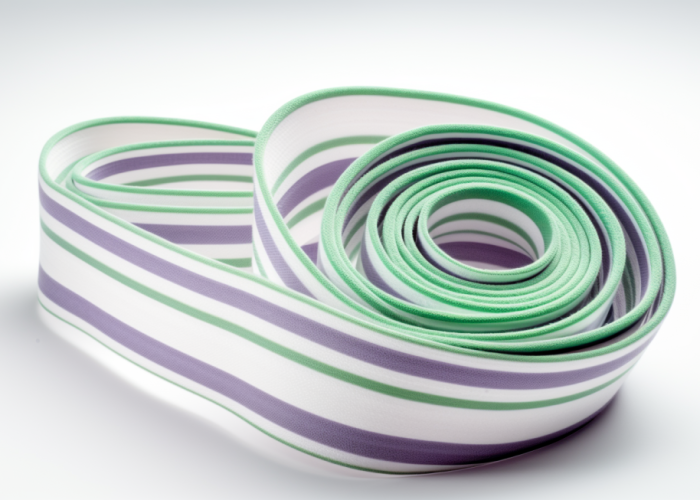
Different suppliers may recommend different logo repeat lengths because they are optimizing different branding objectives, not necessarily because one recommendation is more correct than another. The right repeat length depends on what each supplier is trying to improve on the finished waistband.
After the RFQ is submitted, one supplier may recommend a shorter repeat to increase brand visibility, while another suggests a longer repeat to create a cleaner appearance. Both recommendations can be technically reasonable because they are solving different product priorities rather than applying different manufacturing capabilities. The repeat length itself does not determine whether the recommendation is good or bad. What matters is how that recommendation changes the relationship between the logo, the surrounding space, and the overall branding experience. Understanding the objective behind each recommendation makes it much easier to evaluate why different suppliers reach different conclusions.
Before requesting another sample, compare what each recommendation is expected to improve instead of comparing the repeat measurement alone. If one recommendation creates stronger brand visibility while another produces a cleaner overall appearance, decide which outcome better matches your product objective. If different suppliers recommend similar repeat lengths for different reasons, ask which visible change should appear on the next sample. Once the expected improvement can be verified on the finished waistband, it becomes much easier to judge whether the recommendation supports your project before moving into production.
We’ll explain the trade-offs behind each recommendation so you can choose the best solution for your product.
Make the final repeat length decision once the finished waistband delivers the intended branding experience and further adjustments no longer create meaningful improvements. At that point, additional repeat changes usually increase development time more than they improve the finished product.
By the final sampling stage, the logo size, waistband width, product application, and repeat length have usually been reviewed together. Each adjustment may improve the branding pattern slightly, but those improvements often become smaller with every revision. Eventually, the remaining differences affect the repeat measurement more than the customer’s perception of the finished waistband. Continuing to refine the repeat beyond this point may increase development time and sampling cost without creating meaningful improvements to the overall branding experience.
Before approving production, compare whether the remaining branding difference is still important enough to justify another specification change. If the current waistband already delivers the intended branding experience, further repeat adjustments are unlikely to create meaningful value. If the branding objective has still not been achieved, identify whether the remaining limitation comes from the repeat length, logo size, waistband width, or another specification before changing the repeat again. Reviewing one relationship at a time makes the final decision clearer because each adjustment can be linked to a visible improvement on the finished waistband rather than simply producing a different measurement.
Logo repeat length is more than the distance between two logos. It influences how customers experience your branding across the finished waistband. By evaluating the relationship between logo size, waistband width, product application, and repeat length together, you can choose a branding pattern that supports both product design and manufacturing. If you’re developing a custom jacquard waistband, contact us to review your artwork and recommend a repeat length that fits your branding and production goals.
We will contact you within 1 working day, please pay attention to the email with the suffix “@anmyda.com”.