
Adding silicone grip should not be the first response when a headlamp moves during testing. The same movement can come from two different problems: the elastic strap is extending too easily, or the strap has enough support but is sliding against the helmet or contact surface. Those problems require different changes to the strap specification.
A headlamp strap needs silicone grip when the base elastic strap already holds the headlamp at the intended adjustment, yet the strap still slides against the contact surface. If you have to keep tightening the strap to control that movement, first check whether the webbing is extending too easily. Silicone is the right next step when the remaining movement comes from surface slip, not from insufficient elastic support.
Read on to see how to separate these two problems, when silicone grip is worth adding, and what to check before approving the silicone pattern and coverage for your headlamp strap

Webbing manufacturing expert with 15+ years of experience helping product developers build high-performance straps for industrial, medical, and outdoor use.
Yes. If the headlamp stays in position at the intended strap adjustment and the webbing is not sliding across the contact surface, leave the silicone off. Adding silicone to a strap that already works does not improve the elastic construction; it adds another surface treatment that must then be balanced with stretch, hand, and finished thickness. The decision should come from what the base strap does on the actual headlamp, not from whether silicone grip is commonly used on headlamp straps.
This is why it is useful to evaluate the base elastic webbing before adding the grip pattern. Fit the headlamp with the intended strap width, stretch, and adjustment, then watch where the movement actually occurs. If the webbing holds its position and the lamp remains stable, you already have evidence that additional surface grip may not be necessary. Adding silicone at this stage creates another variable to approve, and depending on the application and coverage, the treatment can also change how the finished elastic behaves.
Keep the first sample silicone-free when you still need to confirm the basic webbing construction. Once the width, stretch, and support are working, add silicone only if you can identify remaining surface slip that needs to be controlled. This gives the silicone a specific job in the strap instead of making it a default feature.
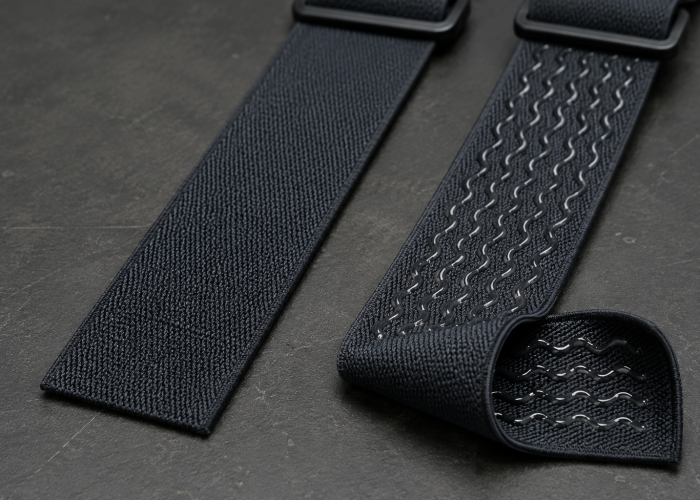
Silicone grip is unnecessary when the strap is moving because the elastic webbing extends too easily under the headlamp rather than because its surface is slipping. Watch what happens when the lamp begins to move: if the webbing itself is extending while its contact position remains relatively unchanged, adding more surface friction is targeting the wrong problem. Adjust the elastic construction first. Silicone becomes relevant when the webbing provides the required support yet still slides across the intended contact surface.
In some samples, both behaviors can happen together. The strap may extend more than intended while also shifting slightly against the contact surface. In that situation, adding silicone first can make the diagnosis harder because the surface grip changes while the underlying elastic problem is still there. Bring the base webbing closer to the required extension and support first, then test the assembly again. Any movement that remains is much easier to judge as a surface-grip issue.
For your next sample, separate these two problems instead of asking for more grip immediately. If changing the elastic construction brings the lamp under control, silicone was not the missing specification. If the revised webbing holds the lamp correctly but still slides against the intended surface, keep that construction and evaluate silicone on top of it. Correct the support problem first; add silicone for the remaining surface-slip problem.
Compare your current strap construction with the grip requirement before adding another variable to the specification.
No. A wider headlamp strap does not by itself justify reducing the silicone grip, because width does not tell you whether the finished webbing will slide against the intended contact surface. If your wider sample already stays in position with the base elastic construction, you may need less silicone or none at all. If it still slips, decide the silicone placement and coverage from where that movement occurs rather than from the strap width.
When you are comparing widths during development, avoid changing the width and silicone coverage at the same time. If the wider sample becomes more stable, you otherwise have no clear way to tell whether the improvement came from the new webbing construction or the added grip. First evaluate the wider base strap at the intended adjustment. Then add silicone if you can still identify surface slip that the width change did not resolve.
For your next sample, keep the required width fixed while you evaluate the grip. If the base strap stays where it should, silicone has no remaining problem to solve. If it still slides, mark where that movement occurs and develop the silicone placement around that area. Width tells you how much webbing surface is available; the actual slip tells you where and whether additional grip is needed.
Yes. Your base webbing thickness matters when you specify silicone grip because the silicone becomes part of the finished strap construction. A silicone pattern that worked on one headlamp strap should not automatically be copied to a thinner or thicker webbing and expected to give the same finished result. The base construction and silicone application need to be evaluated together.
This matters when you already have an approved silicone pattern from another strap. If the new webbing has a different thickness, surface structure, or elastic construction, you are applying that silicone to a different base. Keep the previous pattern as a starting reference if appropriate, but don’t treat its deposit and coverage as already approved for the new strap. Apply it to the new webbing and check what actually changes in the finished sample.
Develop the base webbing first so you know that its width, stretch, and support are suitable for the headlamp. Then apply the intended silicone and recheck the finished thickness, hand, and elastic behavior before final approval. If the base webbing changes, revalidate the silicone application rather than transferring the old grip specification unchanged. This lets you keep a proven base construction while identifying any change introduced by the silicone itself.
Your strap width, contact area, and sample behavior can help narrow down the right pattern and coverage before sampling.
No. Covering more of your headlamp strap with silicone does not necessarily solve the grip problem better. Before you specify full coverage, look at where the strap actually moves during testing. If the slip is concentrated in one contact area, start the silicone there and leave the rest of the webbing unchanged. Test the strap again. If another area still moves, you now have a reason to extend the silicone instead of covering the entire strap from the beginning.
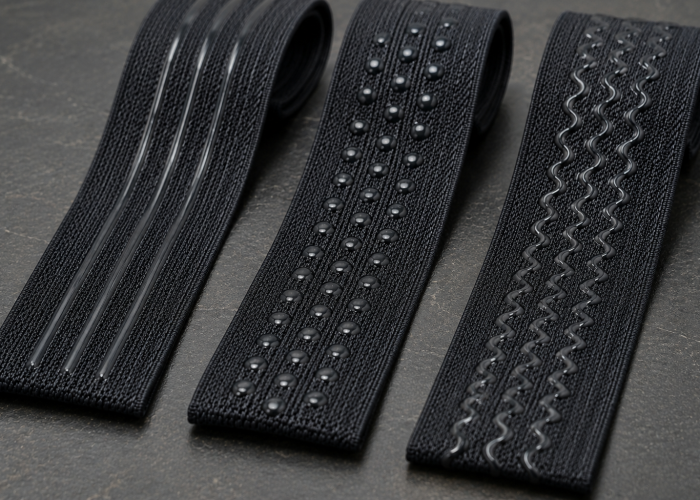
Also look beyond how much of the strap is covered. Two samples can have silicone over the same length and still give you different grip because the pattern itself is different. Dots, lines, and more continuous patterns change how much of the webbing surface is treated and where the silicone contacts the other surface. If your first sample does not give enough grip, this means increasing the total silicone area is not your only option. You can also review the pattern, spacing, and placement.
For your sample approval, ask a simple question: where does the strap still move? If the silicone-treated area stays in position and movement remains somewhere else, extend the grip toward that area. If the strap is already stable, more coverage has no clear job to do. Let the remaining slip tell you where to add silicone rather than specifying full coverage before you have tested the strap.
Yes. Raised silicone adds material above the surface of your headlamp strap, so the silicone-treated section has a greater local profile than the untreated webbing. This matters if that section needs to pass through an adjuster or another controlled clearance. Your base webbing can meet the drawing thickness and fit the hardware correctly, while the finished silicone-treated section still needs to be checked separately.
You can easily miss this if you approve the webbing thickness before looking at where the silicone will actually sit. For example, if your base webbing already has limited clearance through an adjuster, adding raised silicone to the section that passes through it changes the part you are really trying to fit. Measuring another untreated section of the strap will not answer that question. Check the silicone-treated section at the actual hardware interface.
If the finished sample becomes too tight through the hardware, don’t immediately ask for thinner webbing. First check what is creating the interference. If the base webbing still fits correctly and the problem appears only after silicone is applied, review the silicone deposit, pattern, or placement first. Making the whole webbing thinner could change the support and elastic behavior you already approved just to correct a local clearance problem. Find out whether the webbing or the silicone is creating the thickness problem before you change the base construction.
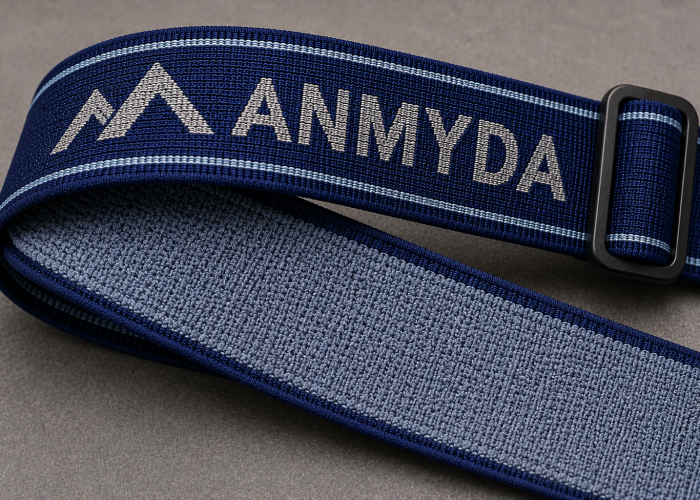
It can. If your headlamp strap returns correctly after stretching before silicone is applied, then shows slower or incomplete recovery after the grip is added, don’t start by changing the elastic construction. You already have a base sample showing that the webbing can recover correctly. Compare what changed between the two samples first: the silicone pattern, coverage, and deposit. Adjust those variables and retest before redesigning elastic webbing that already passed your recovery requirement.
Use the untreated strap as your reference. Stretch the base and silicone-treated samples to the same target extension and compare how they return. If both meet your recovery requirement, the current silicone application is working with that elastic construction. If the difference appears only after silicone is added, start your next adjustment with the newly introduced process rather than immediately changing the elastane, weave, or original stretch specification.
For your next sample, change one silicone variable at a time where practical. You might adjust the pattern or coverage, then compare recovery again. If the strap returns as required after that change, you can keep the base construction that was already working. If the problem remains across different silicone applications, you then have evidence to investigate the interaction with the webbing more closely. The point where recovery first changes tells you which part of the construction to investigate first.
Develop the jacquard construction and silicone application together so one requirement does not create a problem for the other.
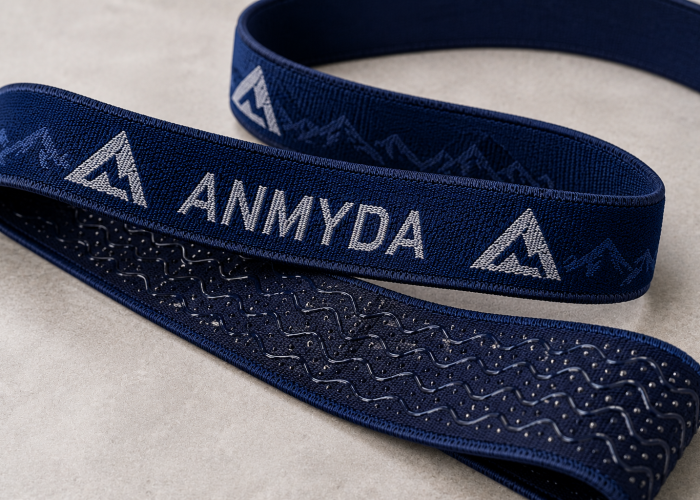
Yes. Silicone grip can be added to a jacquard headlamp strap, but test it on the actual jacquard construction you intend to produce. If you approved the silicone on plain elastic first, that sample only tells you how the process works on that particular webbing. Once your woven logo changes the yarn arrangement and surface construction, apply the intended silicone again and approve the finished combination rather than transferring the previous silicone approval directly to the jacquard strap.
If your jacquard sample already gives you the logo appearance, stretch, and support you need, keep those approved properties as your reference. Then add the silicone and compare the finished sample. Check whether the grip pattern remains consistent across the intended area and whether the strap still gives you the elastic behavior you approved before treatment. If a problem appears only after silicone is added, don’t immediately simplify the woven logo or rebuild the jacquard construction. You would be changing a specification that was already doing its job.
Start by reviewing what was introduced at the stage where the problem appeared. Check the silicone placement, pattern, and application on that specific jacquard construction, then resample the combination. If the same problem is already present before silicone is applied, the jacquard construction itself deserves attention. The stage where the problem first appears should guide what you change first: don’t sacrifice an approved jacquard construction to correct a problem introduced later by the silicone process.
Silicone grip is useful when your elastic headlamp strap already provides the required support but still slips against the intended contact surface. Confirm the base webbing first, then use sampling to decide the silicone pattern, coverage, and placement. If you are developing a custom headlamp strap and are unsure whether silicone belongs in the specification, send us your strap requirements and current sample for review.
We will contact you within 1 working day, please pay attention to the email with the suffix “@anmyda.com”.