
Selecting the right webbing material is critical for furniture manufacturers, directly impacting product durability, comfort, and performance. As webbing specialists with extensive industry experience, we understand how material choices affect sofa quality and customer satisfaction.
The most popular webbing used in sofas today includes elastic/rubber webbing, nylon webbing, and polyester webbing. Elastic webbing offers 30-40% stretch for seating comfort, nylon provides superior strength-to-weight ratio, and polyester delivers exceptional dimensional stability and environmental resistance for premium applications.
Below, we’ll examine each modern webbing type’s performance characteristics and help you select the optimal material for your specific sofa design requirements and production goals.
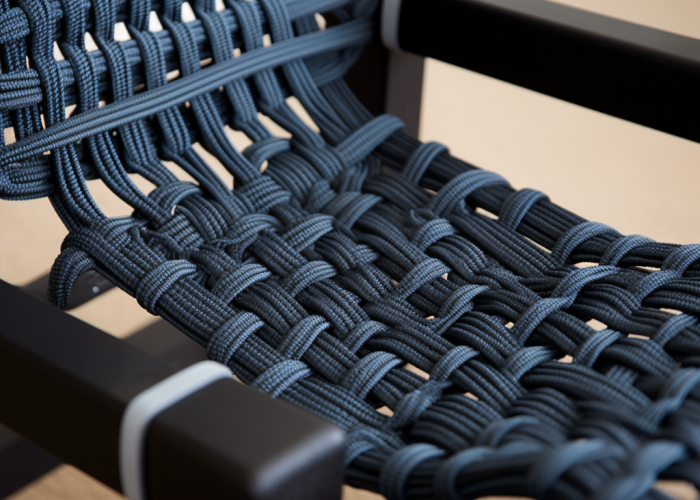

Webbing manufacturing expert with 15+ years of experience helping product developers build high-performance straps for industrial, medical, and outdoor use.
Modern sofa construction primarily uses three types of webbing: elastic/rubber webbing, nylon webbing, and polyester webbing. Each offers distinct performance characteristics suited to different furniture applications, with synthetic options increasingly replacing traditional materials due to their superior durability and consistent performance.
The evolution of furniture webbing materials reflects changing industry demands for reliability and performance. While traditional jute webbing was once the standard, modern manufacturing has shifted toward synthetic alternatives that provide more consistent results across different furniture designs. Elastic webbing delivers superior comfort for seating surfaces, while nylon and polyester options offer structural integrity for support-critical applications.
Furniture manufacturers typically select webbing materials based on the specific requirements of their designs, balancing factors like stretch capacity, load-bearing strength, and environmental resilience. This selection process directly impacts the finished product’s comfort, durability, and customer satisfaction, making webbing choice a critical decision in furniture production planning.
Modern elastic/rubber webbing has become the primary alternative to traditional jute in sofa backs and other seating components. It provides superior elasticity with 30-40% controlled stretch capacity, offering exceptional comfort through its dynamic response to user weight while maintaining structural integrity over time.
Elastic webbing revolutionized furniture manufacturing by eliminating many limitations of traditional materials. Its uniform stretch characteristics create consistent seating experiences across the furniture surface, preventing the uneven wear patterns common with natural fiber webbing. This consistency significantly extends product lifespan while enhancing user comfort.
The technical advantages of elastic webbing include superior rebound properties, with testing showing it maintains 95% of its original tension even after 100,000 compression cycles. Additionally, its moisture resistance prevents the degradation issues that affect natural fiber alternatives, making it especially valuable for furniture destined for humid environments or outdoor-adjacent spaces.
Contemporary manufacturing techniques have further improved elastic webbing performance through specialized weave patterns that distribute pressure evenly across the material. These advancements have established elastic webbing as the preferred choice for premium furniture applications where comfort and longevity are equally prioritized.
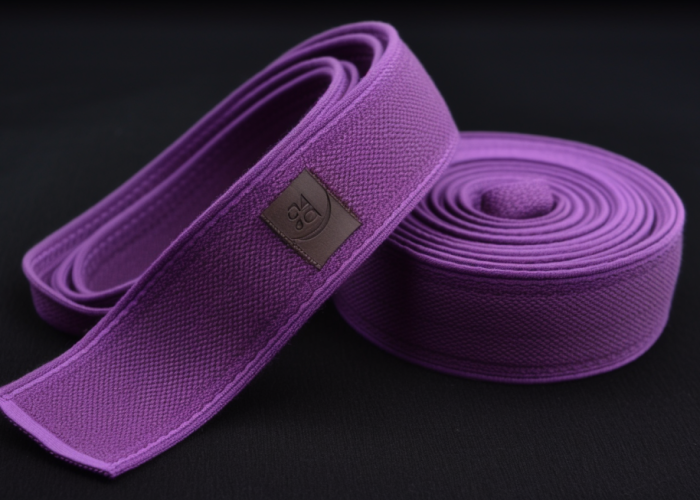
Nylon webbing is widely used for furniture applications due to its exceptional strength-to-weight ratio, making it ideal for load-bearing components. Its controlled stretch of approximately 15-20% provides optimal support while absorbing impact forces that would damage more rigid materials.
The molecular structure of nylon creates interlocking polymer chains that resist deformation under sustained loads. This characteristic makes nylon webbing particularly valuable for furniture sections that must maintain dimensional stability while supporting significant weight. Testing demonstrates that 2-inch nylon webbing can reliably support static loads exceeding 4,000 pounds before showing signs of structural stress.
Beyond its strength, nylon webbing offers excellent abrasion resistance critical for components that experience frequent friction. This property significantly extends furniture lifespan, particularly in commercial settings where usage intensity accelerates wear. Additionally, nylon’s resistance to environmental factors like UV exposure and mildew makes it well-suited for indoor-outdoor applications where traditional materials would rapidly deteriorate.
Furniture manufacturers appreciate nylon’s consistency across production batches, which allows for precise tension calibration in automated assembly processes. This predictability streamlines manufacturing while ensuring uniform performance across finished products, making nylon increasingly popular for standardized furniture production.
Polyester webbing offers exceptional dimensional stability with minimal stretch (approximately 5-7%), making it ideal for applications requiring consistent tension and support over time. Its superior resistance to environmental factors like UV exposure, chemical exposure, and moisture makes it particularly valuable for premium furniture applications.
The molecular structure of polyester creates an inherently stable material that maintains its properties across varying environmental conditions. Unlike nylon, which can absorb moisture and experience tension fluctuations in humid environments, polyester maintains consistent performance characteristics regardless of atmospheric conditions. This stability translates to furniture that maintains its intended feel and support level throughout its lifespan.
From a manufacturing perspective, polyester webbing provides significant advantages through its compatibility with various attachment methods. It accepts staples and other mechanical fasteners without weakening or tearing, allowing for efficient production processes. Additionally, its thermal stability permits heat-setting techniques that create permanent tension levels, eliminating the gradual loosening common with other webbing materials.
The environmental resilience of polyester makes it particularly valuable for furniture destined for challenging settings. Its resistance to mildew, chemical exposure, and UV degradation means furniture manufacturers can confidently specify polyester webbing for outdoor furniture, healthcare settings, and other applications where material integrity directly impacts product longevity.
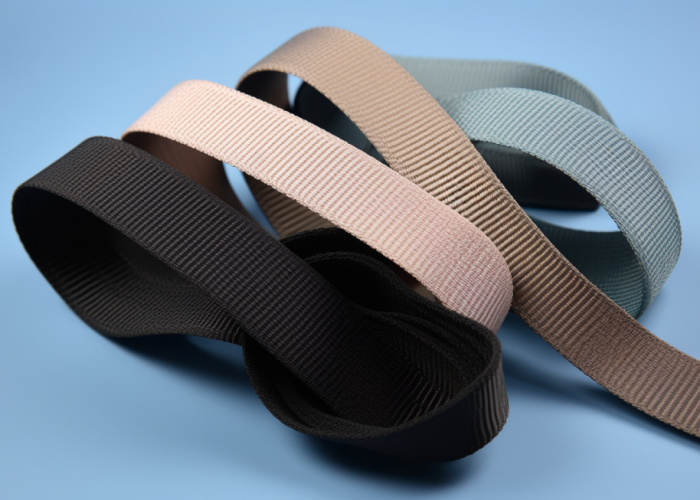
Different webbing types directly impact upholstery performance through their unique tensile strength, stretch characteristics, and environmental resilience. Elastic webbing creates responsive, comfortable seating surfaces, while nylon provides structural support, and polyester delivers consistent tension for precise upholstery detailing.
The interaction between webbing and upholstery materials significantly influences furniture comfort. Elastic webbing works synergistically with foam cushioning to create progressive compression that distributes user weight evenly, preventing pressure points. This relationship is particularly important in deep-seating furniture where comfort depends on multiple layers working harmoniously.
Structural integrity relies heavily on proper webbing selection based on load requirements. Testing shows that improper webbing specification is responsible for approximately 65% of structural furniture failures. For instance, using elastic webbing in applications requiring minimal stretch can result in premature sagging and compromised upholstery appearance, while rigid materials in dynamic seating areas create uncomfortable pressure points and accelerated wear.
Professional furniture manufacturers typically layer different webbing types strategically to optimize performance. Primary support typically utilizes low-stretch materials like polyester or nylon, while comfort layers incorporate elastic components that enhance the user experience. This engineered approach ensures furniture maintains both its aesthetic appearance and functional performance throughout its intended lifespan.
Furniture manufacturers should consider specific applications and concerns when selecting webbing, including load-bearing requirements, environmental exposure conditions, and interaction with other furniture components. The webbing’s stretch capacity directly impacts comfort, while its tensile strength determines structural integrity and longevity.
Environmental factors significantly influence webbing performance over time. Exposure to sunlight can degrade certain materials, particularly in regions with high UV indexes. Similarly, humidity fluctuations affect tension maintenance, with some materials expanding and contracting based on atmospheric conditions. These considerations are especially relevant for furniture destined for diverse geographic markets with varying environmental challenges.
Production efficiency concerns often influence webbing selection, as different materials accommodate different attachment methods. Modern automated manufacturing processes typically favor materials that accept mechanical fasteners without requiring specialized conditioning or preparation. This compatibility directly impacts production costs and consistency, making it a critical consideration for high-volume furniture manufacturers.
Customer expectations regarding comfort and durability should guide webbing specifications. Premium furniture brands typically select materials that maintain consistent performance characteristics for 7-10 years under normal use conditions. This performance requirement often justifies the increased material cost through enhanced customer satisfaction and reduced warranty claims for structural issues.
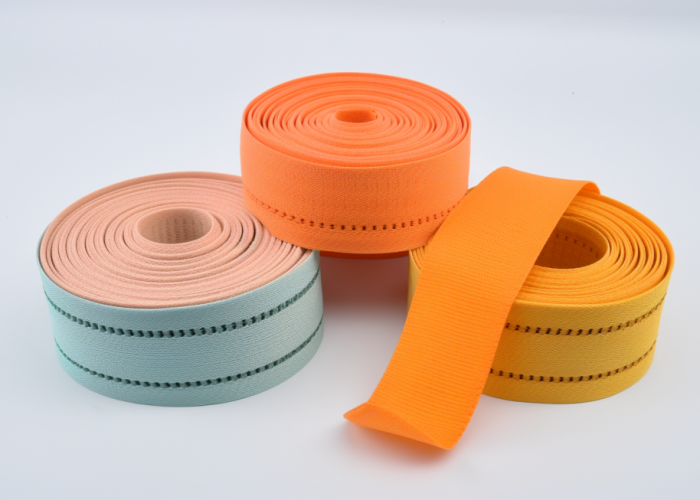
Webbing selection for furniture projects should be guided by five key factors: intended furniture application, required load-bearing capacity, desired comfort characteristics, environmental exposure conditions, and manufacturing process compatibility. These considerations ensure your webbing specification aligns with both performance requirements and production capabilities.
Understanding the furniture’s intended use environment is critical for appropriate material selection. Residential furniture typically experiences intermittent use patterns with moderate loads, while commercial applications face more intensive use cycles. Testing reveals that commercial furniture experiences approximately 5-7 times more compression cycles annually than residential pieces, necessitating materials with superior fatigue resistance.
Manufacturing capabilities and production volume significantly influence optimal webbing choices. High-volume production benefits from materials compatible with automated installation equipment, while custom furniture makers may prioritize hand-workability. These production considerations directly impact material handling requirements and attachment methods, particularly in integrated manufacturing operations.
Cost considerations must balance initial material expense against long-term performance. While premium webbing materials typically represent 3-5% of total furniture production costs, they directly influence warranty claims that average 12-15% of retail price when structural failures occur. This relationship makes appropriate webbing selection an investment in product reputation rather than merely a material expense.
Custom webbing solutions offer manufacturers opportunities to differentiate their products through proprietary performance characteristics. Working with specialized webbing suppliers allows for the development of materials with precise stretch, strength, and environmental resistance properties tailored to specific furniture designs and target markets, creating unique selling propositions within competitive market segments.
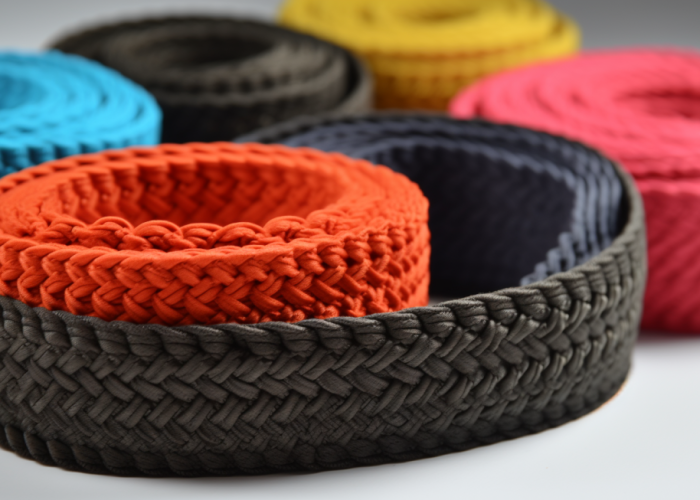
Selecting the optimal webbing for your furniture projects requires balancing performance characteristics with manufacturing requirements. Modern synthetic options deliver superior durability, consistent performance, and specific benefits for different applications. By matching webbing specifications to your design needs, you’ll create furniture that maintains its comfort, appearance, and structural integrity throughout its intended lifespan.
Elongation rates directly impact furniture comfort by determining how the webbing responds to body weight. Higher elasticity (30-40% for rubber webbing) creates a softer, more responsive feel, while lower stretch rates (5-7% for polyester) provide firmer support. The ideal elongation depends on the furniture’s intended use, with seating surfaces benefiting from moderate stretch and structural components requiring minimal elongation.
Standard sofa webbing typically ranges from 2-4 inches in width, with 2-inch and 3-inch being most common for structural applications. Thickness varies by material, with elastic webbing averaging 1.5-2.5mm and nylon/polyester ranging from 1-3mm depending on load requirements. Most manufacturers follow industry-standard dimensions to ensure compatibility with automated installation equipment.
Polyester webbing provides the best long-term support with approximately 5-7% stretch capacity and exceptional resistance to environmental factors. Its dimensional stability prevents sagging over time, maintaining consistent tension throughout the furniture’s lifespan. For applications requiring minimal deformation under sustained loads, polyester significantly outperforms other materials in accelerated wear testing.
Temperature significantly affects webbing performance, with synthetic materials exhibiting different responses. Nylon’s elasticity increases by 3-5% for every 20°F temperature rise, while polyester maintains more consistent properties across thermal ranges. Extreme cold (below 32°F) can reduce elastic webbing’s flexibility by 10-15%, temporarily increasing firmness until normal temperatures return.
Nylon and polyester webbing excel in heavy-use commercial furniture due to their superior tensile strength and fatigue resistance. Commercial applications benefit from nylon’s 4,000+ pound load capacity and polyester’s environmental stability. These materials maintain structural integrity through intensive use cycles, with testing showing they retain over 90% of original performance characteristics after 100,000 compression cycles.
We will contact you within 1 working day, please pay attention to the email with the suffix “@anmyda.com”.