
Selecting the ideal belt material requires understanding the performance characteristics of different options available in today’s market. As webbing manufacturers with extensive experience testing both synthetic and natural materials, we’ve analyzed how nylon and leather belts perform across various applications and usage scenarios.
Nylon belts are better for casual, outdoor, and active use due to their comfort, flexibility, and easy care. Leather belts are preferred for formal wear, durability, and a classic look. The best choice depends on your needs and lifestyle. Both materials offer distinct advantages: nylon provides superior flexibility (40-60% more), moisture resistance (absorbing only 4-7% vs. leather’s 25-30%), and lower initial cost (30-50% less), while leather excels in longevity (20+ years vs. 3-7 years) and lifting support (15-20% more stability).
Below, we’ll explore the seven key performance factors comparing nylon and leather belts, provide comprehensive data on their material properties, and guide you through selecting the optimal belt material based on your specific usage requirements.

Webbing manufacturing expert with 15+ years of experience helping product developers build high-performance straps for industrial, medical, and outdoor use.
Leather belts are superior in longevity compared to nylon belts for everyday use, typically lasting 15-25 years with proper care versus nylon’s 3-7 year lifespan. High-quality leather belts develop a unique patina over time that many users find desirable, while maintaining structural integrity through years of regular wear. Nylon belts, although durable, tend to wear out more quickly in non-rugged environments.
The natural collagen fiber structure of leather allows it to maintain shape while adapting to body contours over time. This biological composition provides exceptional resistance to repeated stress at connection points where synthetic materials often fail first. However, in high-moisture environments, leather’s natural properties can become a disadvantage, while nylon’s synthetic composition offers superior resistance to environmental damage.
Nylon belts provide better comfort and adjustability than leather belts due to their lightweight construction, flexibility, and advanced closure systems. Weighing 40-60% less than comparable leather options, nylon belts create minimal pressure points during extended wear. They frequently incorporate strap or quick-release buckles that allow for 1/8-inch micro-adjustments compared to leather’s standard 1-inch hole spacing.
This precision adjustability makes nylon belts particularly well-suited for individuals with fluctuating waist measurements or those who prioritize a customized fit. The material’s natural flexibility also makes nylon belts more comfortable during seated positions, as they conform to body movement with minimal resistance compared to new leather belts that require a break-in period of 7-14 days.
Leather belts offer superior support for heavy weightlifting compared to nylon alternatives, making them the preferred choice for serious strength athletes. The rigid structure of a 10-13mm thick leather belt creates an effective bracing surface against which lifters can create intra-abdominal pressure during compound movements, reducing spinal flexion by 25-35% during heavy deadlifts and squats compared to nylon options.
Nylon belts provide moderate support with greater flexibility, making them suitable for a wider range of exercises including more dynamic movements. The synthetic material allows for better mobility during circuit training or Olympic lifting variations where rotational movement is necessary. This versatility explains why many functional fitness athletes prefer nylon despite its lower maximum support capacity.
Nylon belts excel in versatility compared to leather belts, making them ideal for outdoor activities, casual wear, and situations where flexibility and moisture resistance are critical. Their synthetic composition provides inherent water resistance (absorbing only 4-7% of their weight in water compared to leather’s 25-30%) and consistent performance across temperature ranges from -20°F to 140°F without significant property changes.
Leather belts demonstrate superior performance in formal settings and professional environments where aesthetic considerations are paramount. The natural material’s rich texture and ability to complement traditional attire make leather the preferred choice for business and formal occasions, where nylon’s technical appearance would be considered inappropriate regardless of quality.
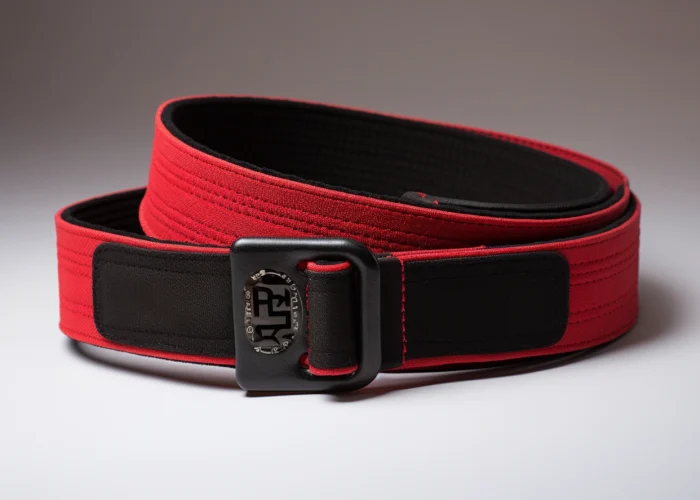
Nylon belts require significantly less maintenance than leather belts, offering a practical advantage for active users or those with limited time for accessory care. Nylon belts are typically machine washable, water-resistant, and require minimal attention to maintain their appearance and functionality. They can be easily spot-cleaned with mild detergent and air dry in 2-4 hours without special conditioning agents.
Leather belts demand more attentive care, including regular conditioning with appropriate leather products every 3-6 months to prevent drying and cracking. The natural material requires protection from excessive moisture and direct sunlight to preserve its structural integrity. This additional maintenance requirement represents a commitment that some users prefer to avoid, though others view the developing patina as worth the investment of time.
Nylon belts are more affordable than high-quality leather belts in terms of initial purchase price, typically costing 30-50% less for comparable quality options. Premium tactical nylon belts generally range from $25-70, while quality leather belts command $75-200 depending on construction and hide quality, making nylon the more accessible option for budget-conscious consumers.
However, when analyzing total cost of ownership over time, a premium leather belt costing $150 that lasts 20 years represents an annual cost of $7.50, potentially offering better long-term value than a $40 nylon belt requiring replacement every 5 years ($8 annually). This value calculation varies based on care practices, usage intensity, and whether the user values having current styles versus a classic appearance.
Nylon belts are better suited for casual, outdoor, and high-activity situations where comfort, adjustability, and easy maintenance are priorities. Leather belts remain superior for formal occasions, heavy weightlifting, and those seeking a classic, long-lasting accessory. The choice ultimately depends on your lifestyle, fashion preferences, and specific needs. Neither material is universally “better” – each excels in different applications based on their unique material properties.
Nylon belts weigh 40-60% less than comparable leather options. A standard 1.5-inch nylon tactical belt typically weighs 4-6 ounces, while similar leather belts weigh 8-12 ounces. This weight difference is particularly noticeable during all-day wear, with nylon creating significantly less pressure on hip bones and reducing fatigue during extended use.
Yes, quality nylon belts offer sufficient strength for most heavy-duty applications with breaking strengths between 2,000-7,000 pounds depending on weave pattern and thickness. Military-spec nylon webbing belts can support dynamic loads up to 4,000 pounds, though they provide approximately 15-20% less stability during maximum weightlifting compared to rigid leather alternatives.
Nylon belts maintain consistent performance across extreme temperature ranges from -20°F to 140°F with minimal property changes. Unlike leather, which becomes stiff in cold (below 40°F) and potentially stretches in high humidity, nylon retains flexibility in cold conditions and demonstrates 85-90% less water absorption in wet environments, making it superior for outdoor activities.
Yes, leather belts develop a unique patina and character with age that many users find aesthetically superior. Over 2-5 years of regular wear, full-grain leather belts develop distinctive color variations, subtle sheen, and personalized wear patterns that reflect the owner’s use. Nylon maintains a more consistent appearance throughout its lifespan without developing this character.
Nylon belts are generally safer for individuals with nickel allergies, as they typically feature plastic, aluminum or hypoallergenic buckle options. Approximately 15-20% of the population has some sensitivity to nickel, which is commonly found in the buckles of traditional leather belts. Military-specification nylon belts with non-metallic hardware eliminate this allergen exposure risk entirely.
Leather belts have both advantages and disadvantages from a sustainability perspective. While leather is biodegradable (decomposing within 25-50 years versus nylon’s 30-40 years), its production has a significantly higher carbon footprint (17.0 kg CO2e vs. 5.9 kg CO2e for nylon). Recycled nylon belts reduce environmental impact by 75-80% compared to virgin nylon production.
We will contact you within 1 working day, please pay attention to the email with the suffix “@anmyda.com”.