
Outdoor fall-arrest webbing often fails sooner than expected — fading, stiffening, or losing strength while suppliers blame “normal UV wear.” Most early failures happen because general webbing shops don’t test for long-term UV, heat, moisture, or hardware abrasion, leaving engineers unsure how long their lanyard webbing will actually last outdoors.
Fall-arrest lanyard webbing typically lasts 1–5 years outdoors, depending on material (polyester lasts longer than nylon), UV stabilization, coatings, and environmental exposure. UV is the fastest reducer of lifespan, followed by heat cycling, moisture, abrasion, and chemicals. The right yarn, finish, and testing can significantly extend service life.
Read on to learn which factors shorten outdoor lifespan, how to specify outdoor-rated webbing that doesn’t fail early, and how to verify supplier durability claims before production.

Webbing manufacturing expert with 15+ years of experience helping product developers build high-performance straps for industrial, medical, and outdoor use.
Polyester lasts significantly longer outdoors than nylon because it resists UV, moisture, and heat far better. Nylon’s tendency to absorb water and lose strength under sunlight makes its outdoor lifespan unpredictable — which is why most fall-arrest designs default to polyester unless a specific requirement calls for nylon’s higher energy absorption.
Where engineers run into real frustration is with suppliers giving mixed or contradictory guidance. Shops often discourage nylon not for technical reasons but because nylon adds business risk: moisture changes its tension, UV exposure accelerates degradation, and batch variability makes it harder for them to guarantee consistent performance. That’s why some suppliers simply refuse outdoor nylon quotes even when the design itself is acceptable.
For most outdoor lanyards, polyester is the safer long-term choice — especially if the product will spend more than a few months each year in direct sun or humidity. If nylon must be used, it should be explicitly stabilized and conditioned so suppliers don’t default to basic, untreated nylon that fails early. Including a simple clarification such as “use UV-stabilized nylon; moisture control required before testing” prevents misunderstandings and reduces the likelihood of a quote being rejected.
When suppliers push back on nylon or dramatically increase pricing, it usually reflects capability limitations rather than a problem with your design. A quick material review can confirm whether polyester is the correct shift or whether your nylon requirement can be produced reliably for outdoor exposure.
Next Step: If your supplier rejected your outdoor nylon spec, share the requirements for a quick check — you’ll get clarity on which fiber type will survive the actual environment without early degradation.
UV-stabilized webbing generally lasts two to four times longer outdoors because the yarn itself is engineered to resist sunlight, rather than depending on a surface finish that fades quickly. This matters for fall-arrest products, where UV exposure is one of the fastest ways webbing loses strength.
The biggest source of confusion is that suppliers use “UV protection” to describe two very different things. Some shops provide true stabilization — built into the yarn — while others offer a sprayed or dipped coating simply because it’s cheaper and avoids the need to buy stabilized yarn in large minimum orders. That’s why different suppliers show different prices and why some outdoor lanyards fade within months even though the quote claimed “UV treated.”
For continuous outdoor exposure, yarn-integrated stabilization is the only reliable option. If sunlight exposure is intermittent or seasonal, a high-quality finish can work, but it won’t achieve the same lifespan and will require more frequent inspection or replacement. The key is specifying the method clearly. Without that clarity, many suppliers default to the lowest-cost finish — not because it’s right for your application, but because it’s what they have available.
Before approving a quote, it helps to ask whether the UV protection comes from solution-dyed yarn or from a surface treatment, and whether the supplier has any retention data after extended UV exposure. The answers usually reveal why quotes differ so widely and whether the webbing will truly last outdoors.
Next Step: If your quote includes “UV treated” without explaining how, send it for a quick review — it’s the easiest way to confirm whether the protection will hold up outdoors or fail early.
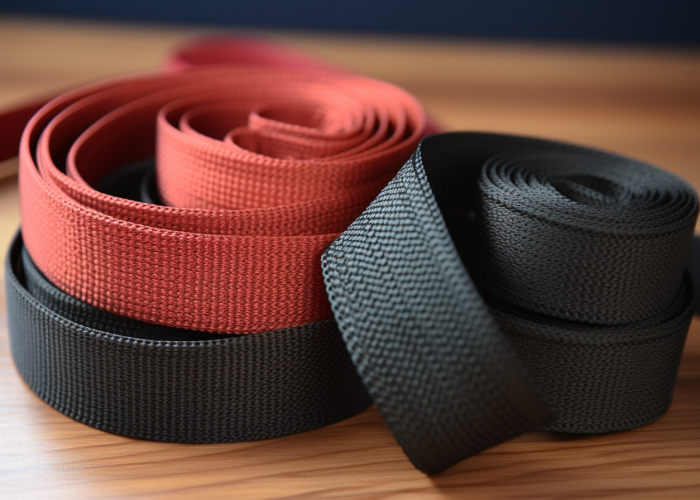
Coatings extend outdoor lifespan by shielding the fibers from UV, moisture, and abrasion, but suppliers vary drastically in which finishes they can apply — and this is where most sourcing problems start. A shop that only handles basic PU or acrylic finishes will recommend them for every application, even if they crack on hardware or stiffen in the sun. This leads to early failures and inconsistent pricing between suppliers.
A major switching trigger is whether a supplier asks about your real environment. If they don’t ask about the type of hardware, amount of sunlight, or cleaning chemicals, they’re not choosing a finish for durability — they’re choosing what’s easiest for them to produce. Shops that avoid environmental questions almost always quote coatings that look fine initially but degrade far faster outdoors.
To get predictable performance, the supplier should confirm:
If a supplier avoids those questions or pushes a generic coating for “all outdoor use,” that’s a red flag.
Next Step: If you’re receiving mismatched coating recommendations or unexplained price differences, send the environment details for a quick compatibility review — you’ll immediately know which coating will actually last outdoors.
Unsure if your current material will survive real UV, abrasion, or weather cycles? Get a fast compatibility review before approving production
UV can begin reducing strength within months, and the actual rate depends on whether the yarn is stabilized and how often the webbing sits in direct sunlight. This is the point where supplier disagreements happen: shops that don’t test real UV retention will give optimistic or vague estimates, while others refuse to quote because they can’t guarantee outdoor performance.
A key switching signal is how a supplier explains UV behavior. A capable supplier will immediately ask:
Suppliers who skip these questions typically rely on cheap UV finishes or indoor UV-lamp assumptions — both of which make outdoor lifespan unpredictable. If a supplier can’t tell you how their UV method performs after extended sunlight, they’re quoting based on hope, not testing.
You can quickly evaluate reliability by asking one question:
“How much strength retention does this yarn have after extended UV exposure?”
If the supplier cannot provide even a general estimate, expect faster outdoor degradation and inconsistent batches.
Next Step: For predictable outdoor retention, send your current material or quote for a UV-risk review — you’ll know immediately whether the chosen yarn will hold strength outdoors or fade too fast.
Yes — chemicals and solvents can dramatically speed up outdoor aging, especially when combined with UV or heat. This is where supplier misquotes often appear. Many shops treat “chemical exposure” as if it means general outdoor durability and still recommend standard polyester, which quickly stiffens or bleaches when exposed to cleaners, oils, or industrial residues.
A reliable supplier will ask what specific chemicals are present — even mild detergents matter. A shop that doesn’t ask this question is likely quoting a material that’s convenient for them, not correct for your environment. That’s why some engineers see webbing discolor or stiffen early even though the supplier claimed it was “chemical resistant.”
Another switching trigger is how suppliers talk about coatings. Some can only apply PU, which performs poorly against certain solvents. If a supplier avoids clarifying which finish resists which chemicals, they’re likely not matching the coating to your actual exposure.
To evaluate suppliers quickly, ask:
“Which chemicals is this material incompatible with?”
Shops that cannot answer usually don’t test chemical resistance at all.
Next Step: If your lanyard webbing will encounter oils, solvents, or cleaners, share the specific agents. You’ll avoid suppliers quoting materials that degrade much faster outdoors than expected.
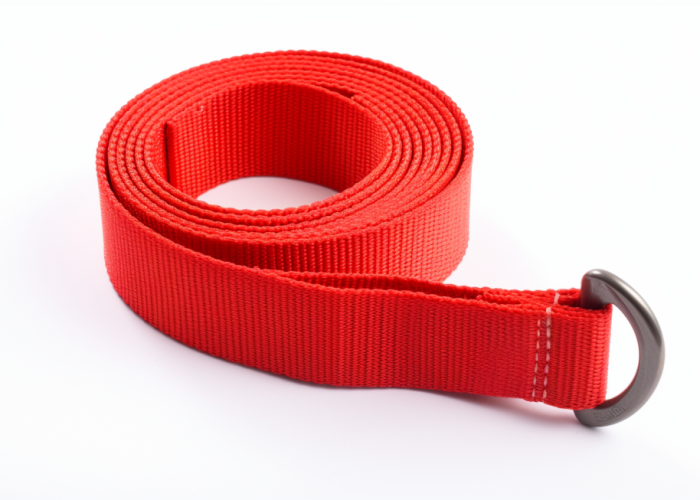
Rapid temperature swings shorten outdoor lifespan by stiffening fibers and cracking coatings, especially when materials move between cold mornings and hot afternoons. Problems arise when suppliers quote based on indoor test data and ignore temperature-related fatigue, leading to webbing that performs well in the lab but fails sooner outdoors.
A key switching signal is whether a supplier asks about the temperature range. Shops lacking outdoor experience rarely ask this because they rely on standard polyester or thick PU coatings that don’t tolerate heat–cold cycling. When those coatings crack, UV reaches the fibers directly, accelerating strength loss.
Suppliers familiar with outdoor fall-arrest will automatically address:
If a supplier doesn’t ask about cold brittleness or heat expansion, they’re quoting a material that may not survive your conditions.
Next Step: If your webbing will see freezing-to-hot cycles, send the expected temperature range for evaluation. You’ll quickly filter out suppliers who are quoting materials based solely on indoor performance.
Abrasion from metal hardware can reduce outdoor lifespan faster than UV, especially around anchors, adjusters, and connection points. Sourcing issues occur because many suppliers only test abrasion on smooth fixtures, which dramatically underestimates real wear. This is why two suppliers may claim “excellent abrasion resistance” yet actual field wear looks completely different.
A strong switching signal is whether the supplier asks about the hardware shape, edge radius, and movement pattern. A shop that doesn’t ask is not evaluating abrasion properly — they’re assuming mild friction on laboratory fixtures. This leads to early fraying, surface fuzzing, or hot spots where the fibers wear down under load shifts.
A capable supplier will also discuss weave density and flexibility. Tighter weaves resist surface wear better, while flexible finishes reduce friction around hardware. Shops that push one single weave for all outdoor use are signaling limited capability.
To evaluate suppliers quickly, ask:
“What abrasion results do you see on real hardware, not lab fixtures?”
If they can’t answer, they’re quoting blind.
Next Step: If hardware wear is a concern, share a photo or description of the connection points. You’ll immediately know which material construction fits your real abrasion pattern.
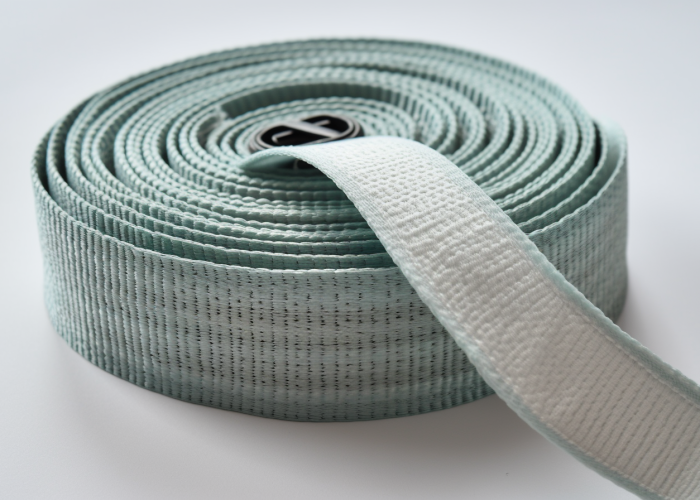
Yes — outdoor webbing degrades even when idle, because UV, humidity, and airborne contaminants continue breaking down the fibers whether the lanyard is under load or not. Many suppliers overlook this because passive exposure isn’t part of their testing process, leaving engineers with overly optimistic lifespan estimates.
A switching trigger is whether a supplier distinguishes between “outdoor exposure time” and “active use time.” Shops that don’t make this distinction often quote longer service lives than the material can actually deliver. If a supplier assumes equipment is stored indoors between uses, they will seriously overestimate durability.
Suppliers familiar with outdoor fall-arrest will ask:
If a supplier doesn’t ask these questions, their lifespan estimate isn’t reliable.
Idle degradation shows up as fading, stiffness, or fiber dryness long before tensile loss becomes visible. A shop that doesn’t talk about inspection intervals or passive aging is not evaluating outdoor lifespan correctly.
Next Step: If your equipment stays outdoors between uses, share typical storage conditions for a more accurate lifespan estimate — it’s the easiest way to avoid unexpected early failure.
If your supplier can’t explain how they tested outdoor durability, don’t risk a failed batch. Upload your spec for a 24-hour verification
Environmental testing predicts outdoor lifespan by simulating UV, heat, moisture, and abrasion conditions, but the value of these tests depends entirely on which ones your supplier actually performs. Most sourcing surprises happen because general textile shops rely on basic tensile tests and colorfastness checks — neither of which reflect how fall-arrest webbing behaves outdoors.
A reliable supplier will talk about multi-factor testing, not just single-variable lab checks. Outdoor degradation rarely comes from UV alone; it’s UV + heat + moisture + hardware wear working together. Suppliers who test each factor separately often provide lifespan estimates that don’t match real use.
A key switching trigger is how your supplier describes their testing. If they mention only a UV lamp or basic tensile check, they’re not evaluating environmental durability. Shops familiar with outdoor applications will combine accelerated UV exposure, water immersion, heat cycling, and friction testing to predict how the webbing will age over time.
You can quickly assess a supplier by asking:
“Which tests did you use to estimate outdoor lifespan, and do they include temperature cycling and abrasion?”
If the answer is vaguely worded or limited to color fade, expect lower real-world lifespan than quoted.
Next Step: If your application requires reliable outdoor lifespan prediction, send your spec or sample for a quick test-method review so you know whether your current supplier is basing their claims on realistic environmental conditions.
You can verify outdoor-lifespan claims by checking how the supplier tested the material, what stabilization method they used, and whether their estimate comes from real exposure data or guesswork. Most inaccurate lifespan claims come from suppliers who quote optimistic numbers without performing any outdoor-relevant testing.
A major red flag is when a supplier gives a precise lifespan (“3 years outdoors”) without asking about climate, sunlight hours, storage habits, or chemical exposure. Outdoor lifespan depends heavily on environment — any supplier who doesn’t ask context is using generic assumptions.
Another switching trigger is the clarity of their documentation. Reliable suppliers provide retention data, stabilization details, and coating descriptions. Shops without outdoor experience typically provide vague answers like “UV treated,” “outdoor grade,” or “suitable for sunlight,” which reveal nothing about actual durability.
To evaluate suppliers quickly, ask:
Any hesitation or generic answers indicate the lifespan estimate isn’t grounded in real testing — and the material may age far faster than claimed.
Next Step: If your supplier can’t show how they calculated their outdoor lifespan, send the claim for a quick verification. You’ll get clarity on whether the quote is based on real testing or optimistic marketing language.
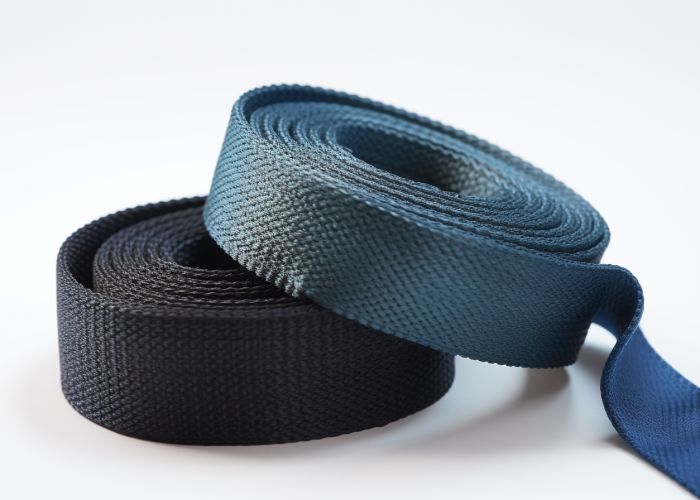
Batch differences change outdoor lifespan because yarn quality, stabilization levels, dyeing conditions, and finishing accuracy vary from one production run to another. This is one of the biggest hidden reasons engineers see inconsistent performance, and most suppliers never mention it unless you ask directly.
Lower-capability shops often use yarn from multiple mills or change finishing conditions depending on what’s available. That means one batch may resist UV well while the next fades early — even though both were called “outdoor grade.” If a supplier can’t explain how they control yarn source or stabilization consistency, they can’t guarantee predictable outdoor lifespan.
A key switching signal is whether your supplier provides retention data from your specific batch or relies on a generic “UV resistant” claim. Suppliers relying on general dye house data cannot predict how your batch will behave outdoors. Another red flag is vague wording like “similar to last batch,” which usually means they haven’t evaluated the new one at all.
Better suppliers will immediately ask whether you need batch certification, stabilization confirmation, or repeatability across future orders. If your supplier doesn’t offer any of these, expect outdoor aging to vary significantly across projects or replenishment orders.
Next Step: If consistent outdoor lifespan matters, send your spec for a batch-consistency review — you’ll know whether variation risk is low or whether your current supplier is relying on unstable inputs.
Pre-production testing confirms outdoor lifespan by validating UV retention, coating behavior, temperature cycling, and abrasion resistance before full production begins. The problem is that many suppliers only perform a tensile test on a few samples, then claim the material is “outdoor suitable,” even if they’ve never evaluated how it ages in real conditions.
A major switching trigger is how much testing your supplier completes before weaving or coating the full batch. Low-capability shops skip pre-production exposure tests entirely because they rely on assumptions from yarn suppliers. This often leads to unexpected fading, stiffness, or premature strength loss once the webbing is deployed outdoors.
Reliable suppliers perform quick-cycle evaluations:
If your supplier doesn’t run any of these checks, they can only provide theoretical lifespan estimates.
You can evaluate any supplier by asking one direct question:
“What pre-production tests were run before approving this material for outdoor fall-arrest use?”
A hesitant or overly general answer means the quote is based on assumptions, not testing.
Next Step: If your supplier hasn’t run these quick-cycle tests, send your material or requirements for a pre-production check so you can validate lifespan claims before committing to full production.
Outdoor lifespan failures usually come from suppliers who don’t test UV, coatings, temperature cycles, or batch consistency. We specialize in evaluating these risks before production so your lanyard webbing lasts as expected. Upload your drawings now for a 24-hour durability assessment and accurate outdoor-ready quote.
Not always. Standard safety weaves work outdoors if the yarn, stabilization, and coating match the environment. A special weave is needed only when abrasion levels are unusually high or when hardware contact points are aggressive. The supplier should determine this after reviewing your environment.
Yes—customization doesn’t add delays if the supplier already stocks stabilized yarns and compatible coatings. Delays occur when a shop must source new materials or change finishing setups. Clear spec details (exposure, color, hardware, chemical contact) ensure fast approval.
Ask them to explain how the material performs after UV exposure, heat–cold cycling, and moisture conditioning. Suppliers who genuinely understand outdoor durability will describe fiber behavior; suppliers who don’t will respond with generic “UV treated” or “weather resistant” claims.
Yes. Switching is common when a supplier cannot match the required outdoor lifespan. If you provide your drawings, intended environment, and any current samples, a capable manufacturer can re-evaluate the material, confirm risks, and quote corrected outdoor-ready options within 24 hours.
Check whether they ask about load direction, inspection intervals, storage conditions, and connection hardware. Suppliers who don’t request this information are treating your lanyard webbing like generic outdoor material, which often leads to under-engineered or unsafe recommendations.
Lead-time differences usually come from capability gaps. Shops without stabilized yarn or coating lines must outsource part of the work, adding weeks. A supplier with in-house yarn control, dyeing, and coating can move directly to sampling, reducing timelines drastically.
We will contact you within 1 working day, please pay attention to the email with the suffix “@anmyda.com”.