
Fall-arrest lanyard webbing often loses strength much faster than engineers expect — even when the design is correct. Most suppliers blame “UV” or “outdoor conditions,” but fast degradation usually points to material inconsistency, weak UV stabilization, poor coating control, or low-grade yarn selection rather than a real specification problem.
Why does fall-arrest webbing degrade so fast?
Because standard polyester or nylon straps break down quickly when the supplier uses non-stabilized yarns, insufficient UV packages, uneven coatings, or low-resistance dye systems — all of which accelerate fading, embrittlement, and strength loss outdoors.
In the sections ahead, you’ll see exactly which environmental factors accelerate failure, why supplier capability matters more than climate, and how to verify whether your current manufacturer can produce true outdoor-grade safety webbing.


Webbing manufacturing expert with 15+ years of experience helping product developers build high-performance straps for industrial, medical, and outdoor use.
Fall-arrest webbing degrades quickly when suppliers use unstable yarn lots, weak UV or dye systems, or thin finishes that can’t survive outdoor exposure. Early fading, stiffness, and sudden strength loss almost always signal material inconsistency, not a problem with your design.
If you’re seeing degradation within months, you’re not alone — this is one of the most common complaints during rework projects. Engineers often suspect a design issue, but the real cause is usually hidden in supplier shortcuts: cheaper polyester substitutions, non-stabilized pigments, or coatings applied too thin to protect the fiber bundles. Two batches may look the same on day one, but behave completely differently outside.
A simple diagnostic check helps confirm supplier-side failures:
These patterns usually appear long before field use should degrade a true outdoor-grade strap.
Outdoor webbing with predictable performance requires controlled yarn sourcing, consistent pigment systems, and finishing thick enough to actually shield the fibers — something general textile shops often struggle to maintain across batches.
Next Step: If your webbing is degrading too fast, send a photo of the failed area and your material notes. That alone is often enough to identify whether the issue is dye stability, yarn grade, or finishing inconsistency and to recommend a corrected manufacturing path within 24 hours.
Rapid strength loss is usually caused by unsuitable yarn selection or non-stabilized materials — UV exposure only accelerates those weaknesses. UV doesn’t cause early failure on its own; poor fiber choice, moisture-sensitive polymers, or unstable pigments make the webbing vulnerable long before sunlight hits it.
Many engineers first notice this issue when a lanyard loses strength during field tests or cyclic pulls. Suppliers often blame “harsh conditions,” but the real problem is typically behind the scenes:
A quick diagnostic can confirm material-choice failure:
Outdoor-rated polyester should maintain strength far longer than nylon, but only if the supplier actually uses stabilized yarn and verified pigments — which many do not because these materials cost more and require tighter process control.
Next Step: If your supplier blames UV for premature strength loss, ask what yarn grade and stabilizers were used. If they can’t provide details, share your specification or sample photo — we can quickly confirm whether the failure came from material choice and propose a reliable alternative.
Send one photo of the failed area and we’ll identify the material or finish causing the degradation
UV exposure accelerates degradation by breaking down weak dye systems, drying thin finishes, and damaging fibers that weren’t stabilized for outdoor use.
UV doesn’t destroy outdoor webbing automatically — it exposes shortcuts in pigment quality, coating thickness, or yarn stabilization. Engineers usually notice the damage starting on the top face first: color shifts, a dry surface, or early stiffness. These symptoms almost always appear when suppliers use indoor-grade pigments or a finish that isn’t designed to shield the fibers from sunlight.
A quick way to confirm UV-driven failure is comparing surfaces:
Consistent performance outdoors depends on stabilized polyester yarns and pigments that resist photodegradation, not just “UV-resistant” claims in a quote.
Next Step: If only the exposed face ages faster, send a clear photo. The pattern alone usually reveals whether the dye or finish failed under UV.
Humidity accelerates aging when the webbing absorbs moisture or when the finish can’t withstand repeated wet–dry cycles.
Outdoor straps shouldn’t lose strength just because conditions are damp. When they do, it usually points to fiber choice or finish durability, not the environment. Nylon absorbs water and loses strength when wet, while polyester stays stable unless the coating washes off or the yarn blend changes without disclosure.
Engineers often spot moisture-related failure when the webbing behaves differently after rain: heavier feel, slower drying, or a sudden drop during post-humidity strength checks. Those shifts indicate water interacting with the yarn or finish — not a design flaw.
If two batches react differently to moisture, that’s a strong sign the supplier changed yarn lots or finishing chemistry.
Next Step: If your strap softens, swells, or weakens after wet exposure, share a post-drying photo. The texture and drying behavior usually point directly to the root cause.

Chemicals weaken webbing quickly when the yarn or coating isn’t compatible with oils, fuels, cleaners, or solvents used in the field.
This failure often shows up suddenly: a stiff or brittle patch, local discoloration, or roughness in areas that come into contact with equipment or cleaning fluids. These localized effects are classic signs that the finish reacted with the chemical rather than protecting the fibers from it.
Many suppliers treat “outdoor” coatings as universal, but real environments differ greatly. A finish that survives UV and moisture may break down instantly when exposed to fuel residue, hydraulic oil, or harsh detergents. If the damage only appears in high-contact zones, you’re dealing with a compatibility issue rather than environmental wear.
Chemical-driven degradation rarely affects the entire strap evenly — that uneven pattern is your biggest diagnostic clue.
Next Step: Share a photo of the affected spot and the chemicals likely involved. Chemical patterns are distinct and make identification fast and accurate.
Temperature extremes accelerate degradation when the yarn or coating becomes brittle in cold conditions or softens under heat.
Most engineers notice this when webbing behaves completely differently outside than it did during indoor testing. That sudden shift isn’t a design mistake — it’s usually a sign the supplier used a finish meant for indoor textiles or a yarn blend that can’t handle real-world temperature swings.
Cold weather stiffening, cracking at fold points, or extra elongation on hot days often point to the same root cause: the materials weren’t stabilized for the temperatures your application actually sees. You didn’t specify anything incorrectly — the supplier simply delivered something that wasn’t built for your environment.
A good outdoor webbing should feel and function consistently from cold mornings to hot workdays. When it doesn’t, it’s almost always tied to supplier choices, not your design.
Next Step: If temperature changes affect your strap’s feel or strength, tell me when the issue appears. The timing alone often reveals whether the coating or yarn is the weak link.
Abrasion at hardware points accelerates wear when the webbing’s edge structure or finish isn’t strong enough for repeated contact with metal.
If the only place your strap is failing is where it meets the hardware, that’s not poor lanyard design — it’s a mismatch between the webbing’s weave/finish and the hardware’s geometry. Engineers run into this all the time: the strap passes pull tests easily, but the first real-world cycles around a buckle create fuzzing or broken filaments.
This kind of localized wear is a classic indicator that the supplier used a softer edge structure, a loose weave, or a finish that doesn’t shield the fibers from friction. Nothing you specified was wrong — the materials just weren’t matched correctly to how the hardware interacts with the strap.
A well-built outdoor safety webbing should tolerate repeated movement around metal without breaking down this quickly.
Next Step: If the wear only appears where the webbing touches hardware, send a photo of that contact point. The damage pattern usually tells us immediately whether weave density or edge integrity is the issue.
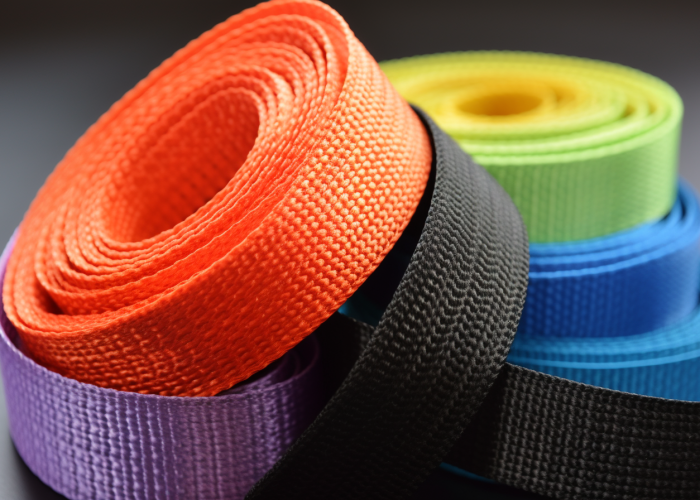
Yes, outdoor webbing can degrade without load when the materials aren’t stabilized against UV, moisture, or temperature cycling.
Seeing a “fresh” lanyard fade or stiffen before it’s even used is incredibly frustrating — and it almost never means the design is flawed. It’s a clear sign the supplier used pigments, finishes, or yarn blends that can’t tolerate exposure, even if the strap isn’t being pulled.
Unused degradation usually shows up as color loss on the exposed face, stiffness along folds, or a dry, dusty surface. These symptoms tell you the environment is reacting with unstable materials, not that the product was designed incorrectly.
In well-controlled production, outdoor webbing should look consistent even after months of sitting on-site. When it doesn’t, the issue is almost always inconsistent stabilization or finishing — both supplier-controlled variables.
Next Step: If unused straps are degrading, send a photo comparing the exposed and shaded sides. That contrast alone often reveals which material component wasn’t stabilized properly.
Share your supplier’s spec or quote—we’ll flag any risks before you move to production
Polyester outlasts nylon outdoors because it absorbs far less moisture, maintains strength when wet, and resists UV far better.
Most engineers notice this difference during early outdoor tests: nylon straps swell after rain, dry slowly, or lose strength unpredictably. This isn’t a design flaw — it’s simply the wrong fiber for outdoor exposure.
A reliable supplier will always flag nylon as a risk for humid or rainy environments. If a supplier doesn’t ask where the strap will be used, or can’t explain nylon’s moisture behavior, that’s an early sign they may substitute whatever yarn lot is available.
You can usually confirm the fiber mismatch by checking drying time and post-humidity strength. Polyester stays consistent; nylon doesn’t.
Next Step: If you’re unsure what fiber you received, send a photo and material notes. Fiber identification is straightforward and often clarifies where the longevity issue began.
Yes — lower weave density exposes more fibers to UV, abrasion, and moisture, causing the strap to degrade faster outdoors.
Lightweight webbing may look fine in your hand but ages quickly in the field because the individual filaments take the environmental hit directly. Early fuzzing or uneven fading are common signs the weave wasn’t tight enough for outdoor lanyard use.
A dependable supplier will specify weave density or at least provide a construction reference. If a supplier can’t tell you the pick count or tension they run — or they treat “25mm webbing” as a single generic product — expect inconsistency between batches.
Two straps may look similar during sampling, but only the one with controlled density will hold up outdoors.
Next Step: If you suspect weave inconsistency, send close-up photos of both batches. Differences in density show up instantly under magnification.
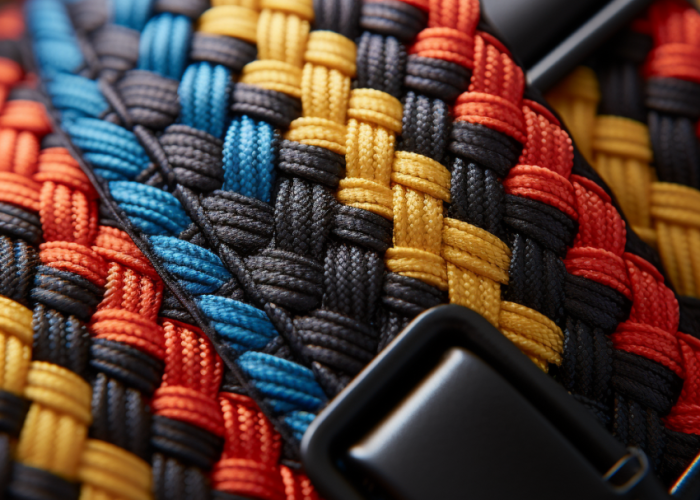
Coating and finish quality heavily influence outdoor durability because they control how much UV, moisture, and abrasion reach the fibers.
Finishes that are too thin, indoor-rated, or applied unevenly dry out in sunlight, wash off in humidity, or crack during temperature swings. Engineers usually spot coating failure through stiffness, color loss, or a flaky surface texture — symptoms that appear long before the fiber itself is affected.
A competent supplier should be able to explain their finish chemistry and why it’s suitable for outdoor lanyards. If a supplier can’t tell you what kind of finish they use — or says “standard PU” without details — the risk of early failure increases sharply.
A proper outdoor finish forms a protective layer that stays stable under UV, moisture, and temperature cycling.
Next Step: If the surface feels dry or powdery after exposure, send a close-up photo. Finish breakdown has a very distinct texture that makes diagnosis quick.
Batch-to-batch differences cause unpredictable performance because many suppliers switch yarn lots, dye systems, or finishes without telling you.
That means two rolls with the same spec on paper can behave completely differently outside.
Engineers usually notice this when one batch fades fast, another stiffens, and a third dries slower — even though all were labeled “polyester.” These shifts don’t come from the environment; they come from inconsistent material sourcing and loose process control on the supplier side.
A trustworthy supplier keeps their yarn, pigment, and finish sources stable. If yours can’t tell you what changed between batches, that’s the reason your outdoor tests feel unpredictable.
Next Step: If two batches age differently, send side-by-side photos. Differences in weave tension, pigment tone, or finish thickness show up instantly.
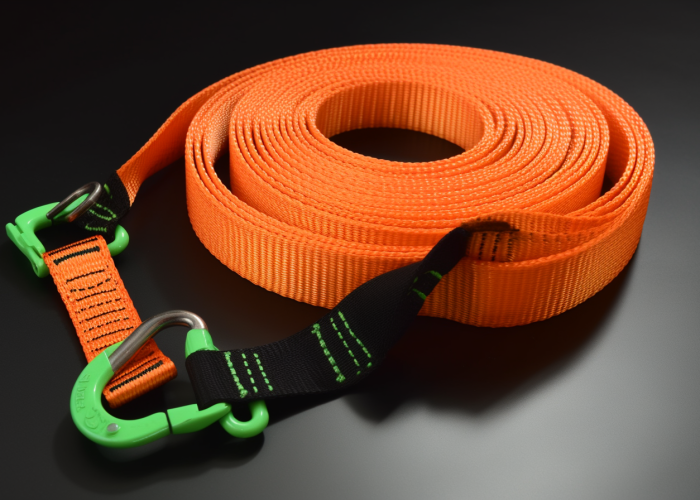
You can verify outdoor durability by checking whether the supplier can explain their yarn grade, pigment stability, and finish type — before they run production.
If they can’t answer those three basics, outdoor failure is almost guaranteed.
You don’t need a lab to evaluate a supplier. Just ask simple questions:
Even a 10-day outdoor check (sunlight + moisture + temperature swings) can reveal whether their finish, dye, and yarn choices hold up.
Next Step: If you want a quick read on a supplier, send me their spec sheet or quote wording. The gaps — what they don’t say — usually reveal more than what they do.
Fast outdoor degradation usually comes from inconsistent materials, weak finishes, or supplier shortcuts — not your design. Reliable outdoor webbing requires stable yarn, dye, and coating control. Send your current spec or failed sample photo for a quick durability check and a corrected manufacturing path within 24 hours.
Darker shades fade faster only when the pigments are not outdoor-stabilized. A properly stabilized black polyester can outperform a poorly stabilized light color. Rapid fading in dark shades usually signals weak dye chemistry, not a color-choice problem — and it’s a common sign of cost-cutting.
Yes. Thread often ages faster than the webbing if the supplier uses indoor-rated polyester or nylon thread. UV, chemicals, and moisture break down unstable thread quickly, leading to seam failure even when the strap looks normal. Outdoor-rated bonded polyester thread prevents this mismatch.
Many textile suppliers don’t run outdoor testing at all — they rely on yarn vendor claims instead of measuring their own output. Without controlled finishing or stable dye systems, exposure data varies too much for them to publish confidently. If a supplier won’t share even basic aging data, assume the material consistency isn’t there.
If the supplier avoids specifics like yarn grade, pigment type, or finish chemistry — or uses vague terms like “standard polyester webbing” — substitution is likely. Reliable suppliers can name their materials and explain why they use them. Lack of detail is the clearest early warning sign.
Yes. Heat, humidity, and sunlight inside storage areas can damage finishes and pigments before you receive the webbing. Rolls stored near windows or in hot warehouses often arrive already faded, dry, or stiff. Asking how the webbing is stored is a simple way to spot weak supplier practices.
Samples are often made from higher-grade yarn or finishes kept on hand for prototyping, while production uses bulk material from a different lot. If the supplier doesn’t lock down yarn grade, pigment system, and coating chemistry from sample to production, outdoor durability becomes unpredictable.
We will contact you within 1 working day, please pay attention to the email with the suffix “@anmyda.com”.